Email Marketing vs Social Media: Which Actually Drives ROI?
Email marketing delivers an average ROI of $36 per $1 spent. Organic social media reaches 2–5% of your followers on a good day. On paper, it's not close. But the real answer is more nuanced — and depends entirely on what you're trying to accomplish.
This breakdown covers the core differences, what each channel actually does well, and how to build a stack that uses both in the right order.
The Fundamental Difference: Owned vs. Rented
This is the frame that matters most before any comparison:
- Email = owned media. You have a direct line to every subscriber. No algorithm, no platform fee, no reach throttling. The list is yours.
- Social media = rented media. You're building on someone else's platform. They control who sees your content, at what cost, and they can change the rules tomorrow.
Everything else flows from this distinction.
Head-to-Head Comparison
| Metric | Email Marketing | Organic Social |
|---|---|---|
| Typical reach | 20–40% open rate | 2–5% of followers |
| Average ROI | $36 per $1 spent | Difficult to attribute |
| Audience ownership | ✅ Full | ❌ Platform-owned |
| Algorithm dependency | None | High — reach is algorithm-controlled |
| Personalization depth | Deep (behavior, segment, name) | Shallow |
| Conversion rate | 1–5%+ (higher when segmented) | 0.1–0.5% |
| Content longevity | Evergreen (list compounds over time) | 24–72 hours before decay |
| Best for | Conversion, retention, revenue | Discovery, awareness, community |
Why Email Wins on Revenue
1. You're Talking to People Who Already Said Yes
Every email subscriber opted in. They gave you their address because they want to hear from you. That baseline intent is worth more than any social follow, which often means "this showed up in my feed and I clicked."
High-intent audiences convert at dramatically higher rates. Email CTR (2–5%) consistently beats social engagement rates (0.1–0.5% on most platforms).
2. You Control the Delivery
With email, if you maintain list hygiene and domain authentication, your messages land in the inbox. There's no algorithm deciding whether your content is "engaging enough" to show to your own audience.
On social, every platform throttles organic reach to push you toward paid distribution. Your 50,000 Instagram followers might see 1,500 of your posts.
3. The List Compounds
A 5,000-person email list today that becomes 20,000 next year gives you dramatically more reach from the same fixed infrastructure. That compound growth doesn't exist on social the same way — new followers don't make old posts perform better.
4. Attribution is Clean
Email is the most attributable channel outside of paid ads. You can see exactly who opened, who clicked, who converted, and what revenue came from which campaign. Social ROI — especially for organic content — is notoriously hard to measure.
Where Social Media Has the Edge
Email isn't perfect. Here's what social genuinely does better:
Discovery at Scale
Viral content can reach millions with zero ad spend. A single tweet, Reel, or LinkedIn post can put you in front of an audience you never had access to. Email can't do this — it's limited to your existing list.
Community and Conversation
Comments, group discussions, replies, Discord threads — social enables real-time community building in a way email can't replicate. Community is a powerful retention and loyalty mechanism.
Top-of-Funnel Awareness
Most people won't give you their email address the first time they discover you. Social media keeps you visible during the consideration phase until they're ready to commit.
Audience Research (for Free)
Comments, questions, trending posts — social is a free focus group. The questions people ask on LinkedIn and Reddit become the best email subject lines and content angles.
The Smart Stack: Use Both in the Right Order
The highest-performing marketers don't choose email or social. They use each for what it does best:
Social → Discovery → Lead Magnet → Email Signup
                                        ↓
                             Nurture → Convert → Retain
                                        ↓
                             Upsell / Refer → back to Social
How it works:
- Publish useful content on social to get discovered
- Promote a lead magnet (template, checklist, guide) in your bio and posts
- Capture emails from people who want more
- Deliver value through automated sequences and campaigns
- Convert subscribers into customers
- Retain and upsell existing customers via email
- Happy customers share on social → cycle repeats
Social fills the top of the funnel. Email converts and retains. They're not competitors — they're different stages of the same journey.
Platform-by-Platform: What Each Social Channel Is Actually Good For
Best B2B platform. Organic reach is still relatively high. Use for thought leadership, sharing wins, and sending traffic to email signup pages. Pairs naturally with B2B email nurture sequences.
Strong for visual brands, e-commerce, and creators. Reach has declined significantly for business accounts (~5–10%). Best used for awareness and driving traffic to a link-in-bio email signup.
X (Twitter)
Strong for founders, developers, and tech audiences. Good for real-time conversations, building in public, and distributing long-form content. Effective at growing email lists when paired with a good offer.
TikTok
Massive organic reach potential. Low commercial intent — audiences are harder to convert to email. Best for top-of-funnel brand awareness only.
YouTube
High-intent because people search for how-to content. Videos rank in Google search. Strong at converting viewers into email subscribers via lead magnet CTAs in video descriptions and end cards.
When to Double Down on Email
Prioritize email when:
- Your goal is revenue — not followers or views
- You're running a product launch or promotion
- You have an existing audience you want to monetize
- You're building a SaaS with a trial-to-paid conversion problem
- You want predictable, measurable results you can attribute
When to Prioritize Social First
Lean into social when:
- You're starting from zero with no existing audience
- You need rapid discovery before you have a list to send to
- You're in a visual industry (fashion, food, interior design)
- You're building a community around a niche or product
- You're doing personal brand building
Frequently Asked Questions
Is email marketing better than social media?
For conversion and revenue, yes — email delivers $36 per $1 spent and reliably reaches 20–40% of your audience, versus social media's 2–5% organic reach with no ownership. For discovery and brand awareness, social has unique advantages email can't replicate.
Can email replace social media marketing?
No, and it shouldn't try to. They serve different stages of the customer journey. Social gets you found; email gets you paid.
How do I convert social followers into email subscribers?
Offer something valuable that only email subscribers get — a resource, a template, exclusive content. Mention it consistently in your posts and link from your bio. Make the opt-in page simple and specific.
What is a realistic social media marketing ROI?
Organic social ROI is difficult to measure and generally low. Paid social (Meta Ads, LinkedIn Ads) averages $2–$5 return per $1 spent — better than organic, but still well below email's $36:1.
Should a small business focus on email or social media?
Start with social to get discovered, then immediately work to move that audience to email. Once you have even 500 email subscribers, your email list is more valuable than 5,000 social followers.
The Verdict
Email marketing wins on every metric that ties directly to revenue: ROI, conversion rate, reach reliability, and audience ownership. Social media wins on discovery, virality, and real-time community.
Build both, but know what each is for. Use social to earn attention. Use email to turn that attention into something that lasts.
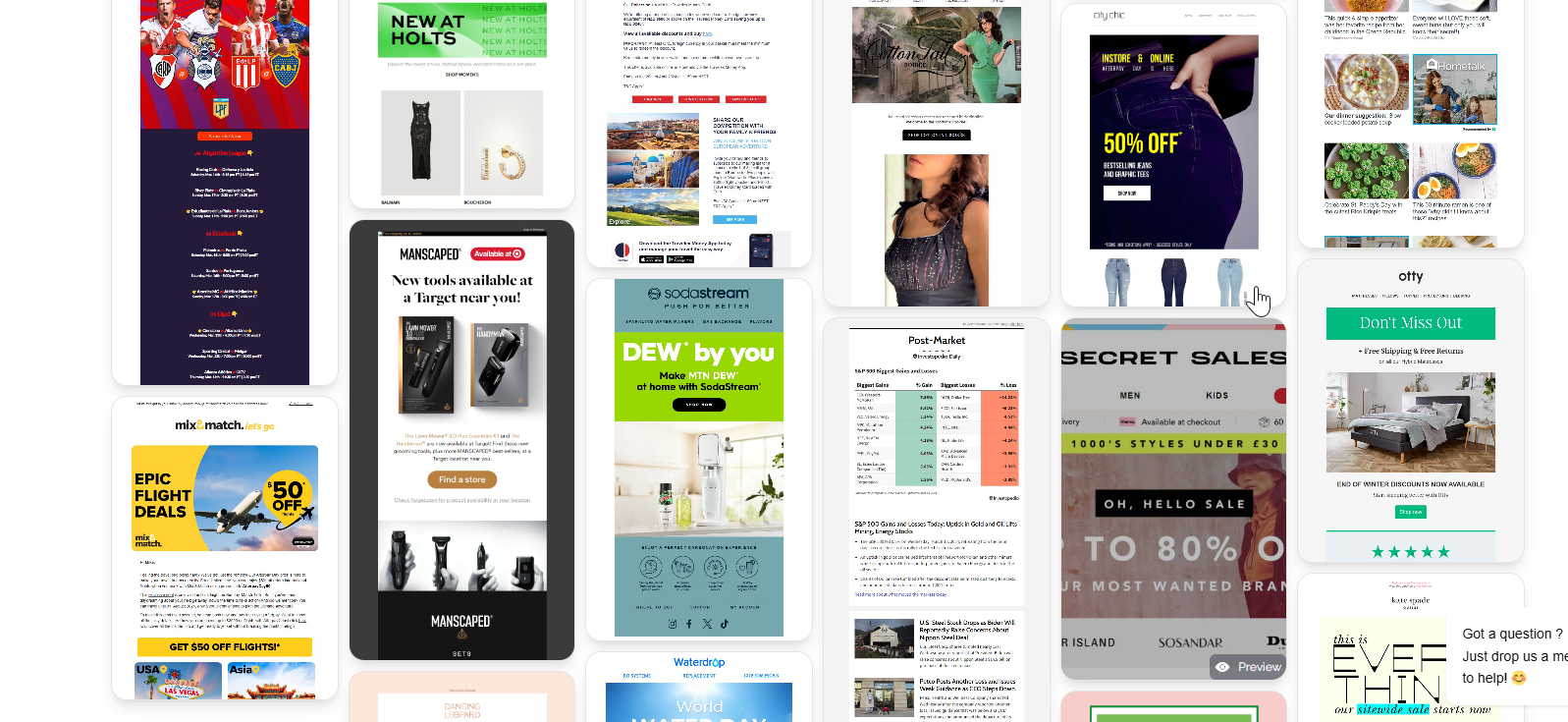
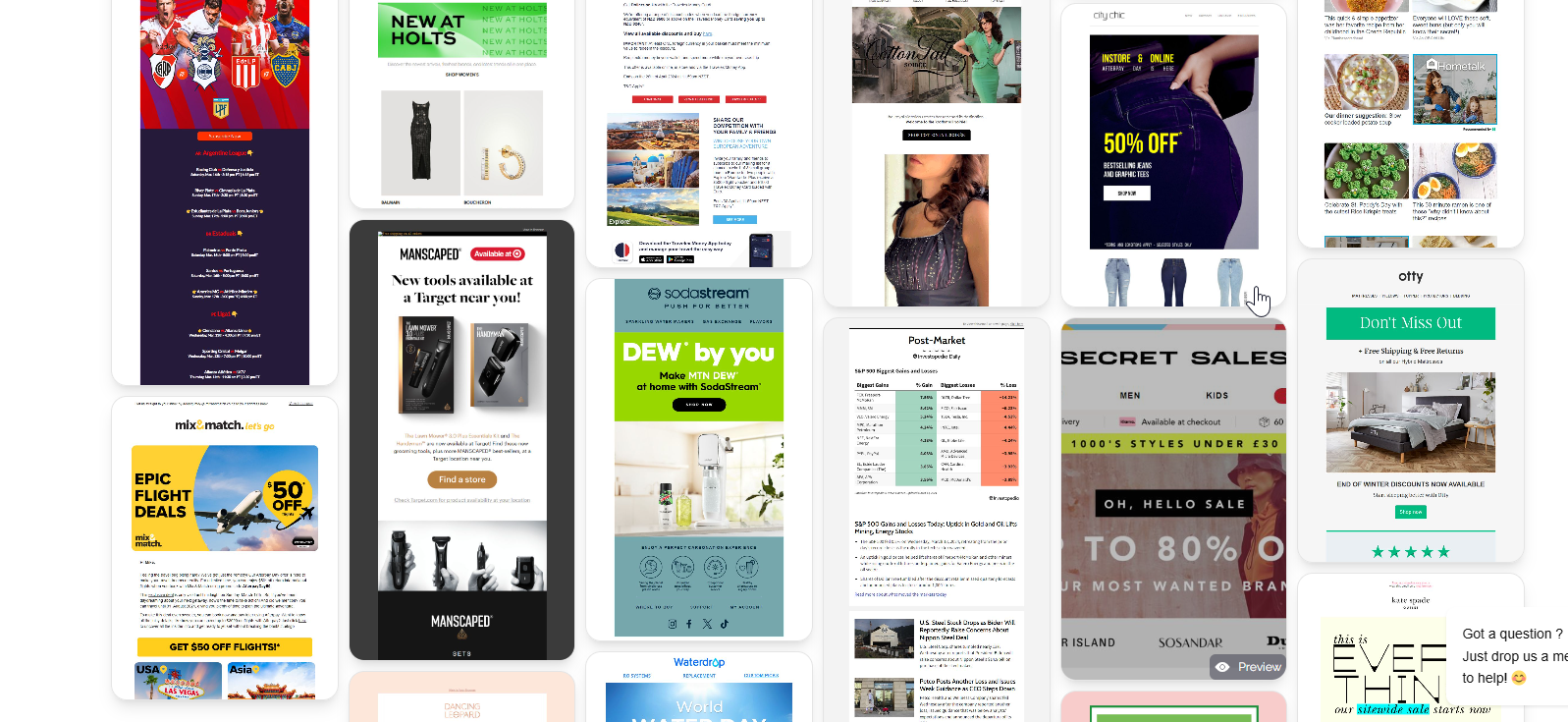
If you're ready to invest more seriously in email, browse MailGlider — a library of real emails from hundreds of top brands, organized by campaign type and industry. Seeing what high-performing emails actually look like is the fastest way to level up your own.