Welcome to Skimm Money: your new go-to for the news and advice you need to live your best financial life. Every Monday and Friday, we pair the week's most important money headlines with smart ways you can take action.
While you wait for our next send, we're sharing content you might see in our weekly newsletter: Money Rules to Break. Keep an eye out over the next three weeks as we share the three rules you need to know. |
|
|
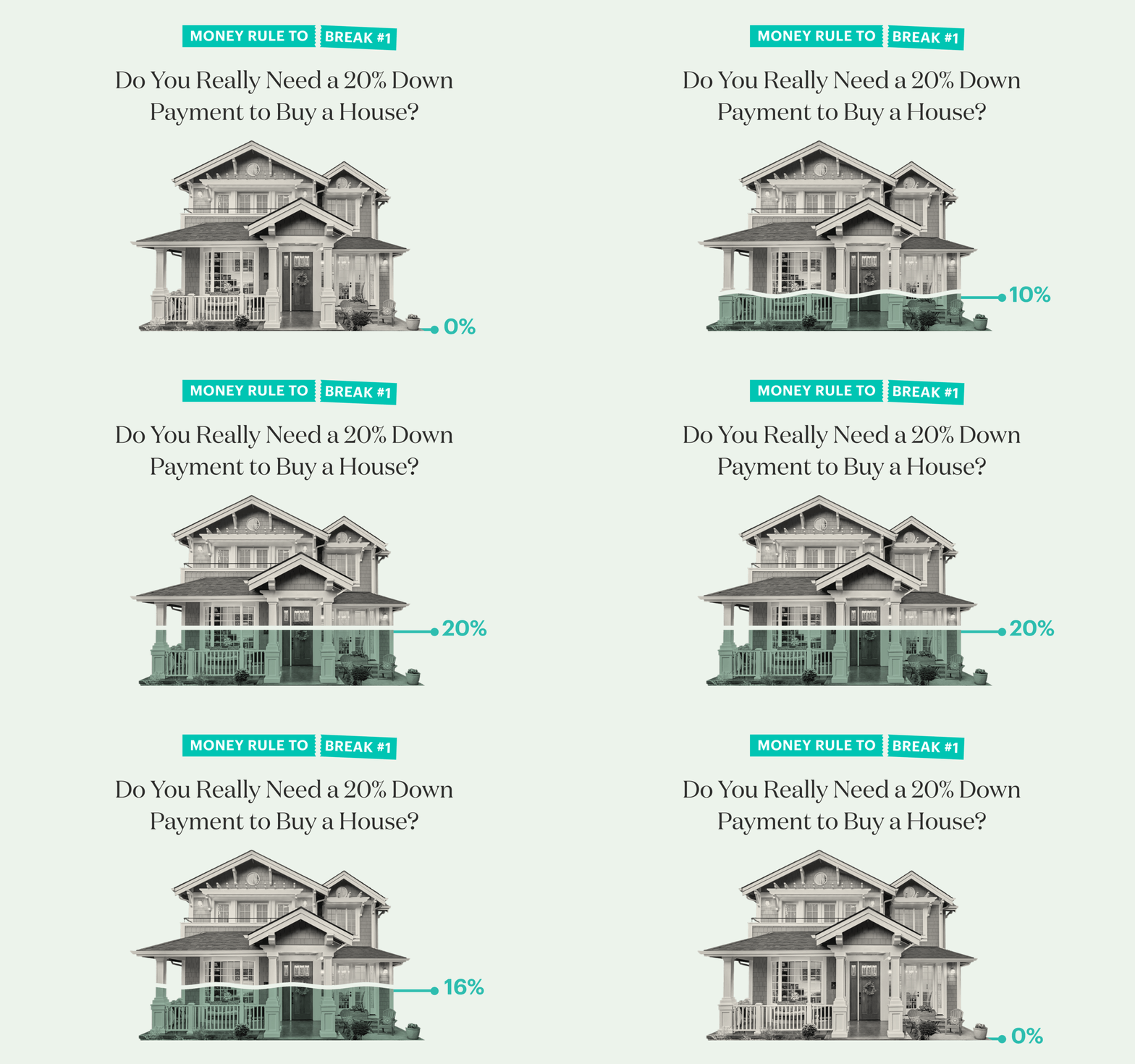
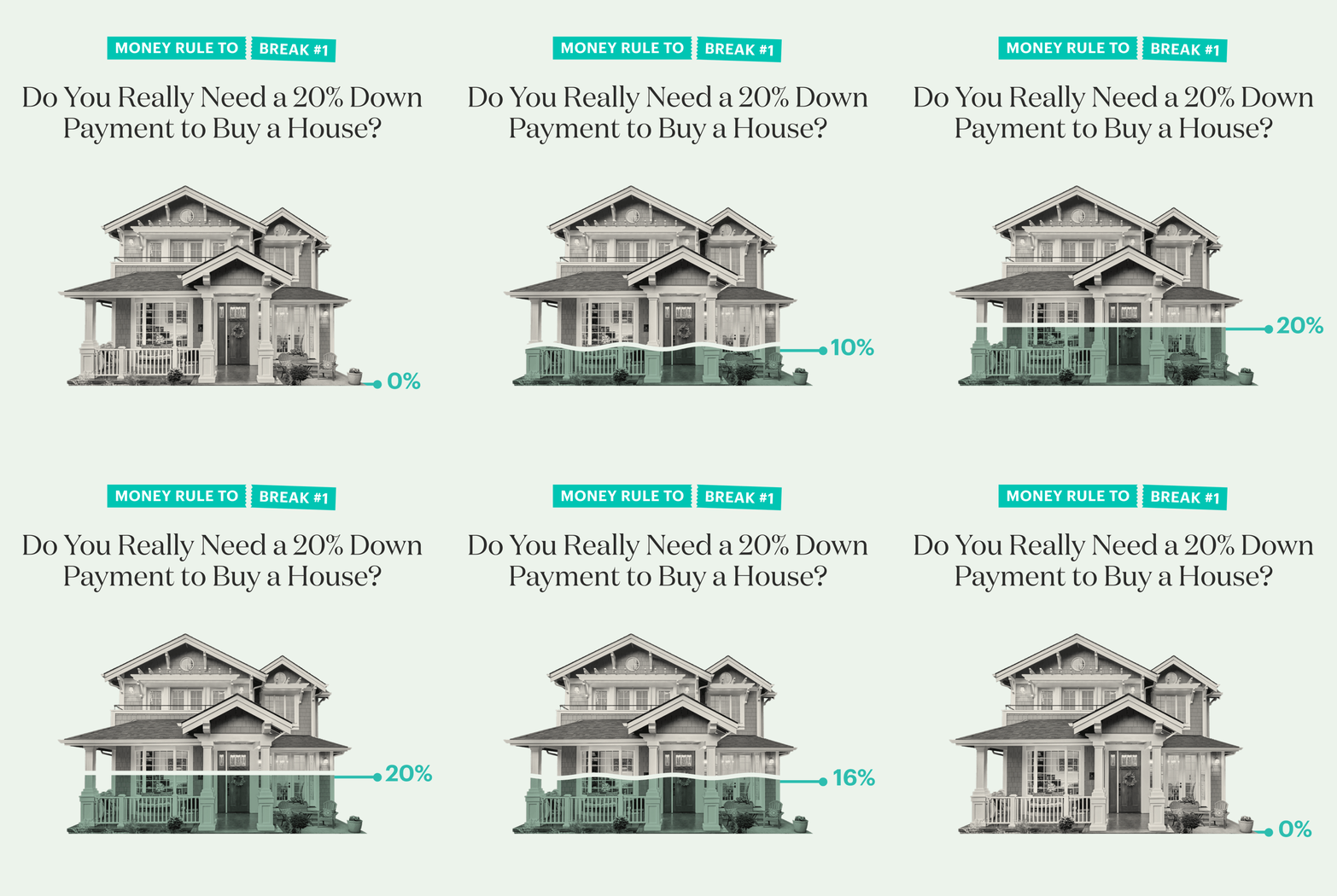
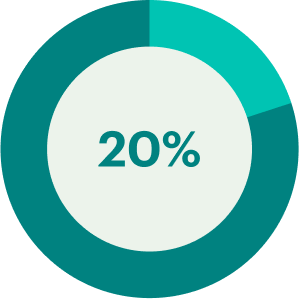
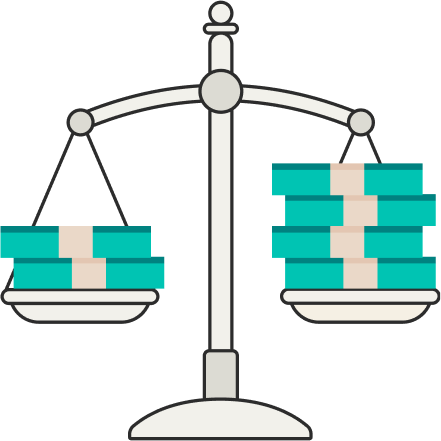
Experts have long recommended 20% as a rule of thumb to give hopeful buyers a ballpark figure to aim for. But as home prices continue to rise, a 20% down payment is getting further out of reach for some. |
|
|
| So where did 20% come from? |
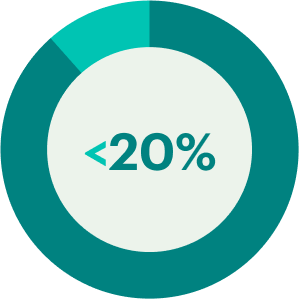
To help keep mortgage costs down. If you put down less, lenders generally require you to pay for private mortgage insurance (PMI). Because a mortgage is a contract that tells the bank you promise to make payments on the loan. Your payment is how you can show you really mean it. |
|
|
| So why would I put down less than 20%?
|
Simply put, sometimes it’s monetarily necessary for homebuyers to go with a smaller down payment. Buying a home and getting started building equity might fit better into some folk’s long-term financial plans. |
|
|
Pros of a Smaller Down Payment: | - It saves you cash for other up-front costs related to mortgage & moving.
-
PMI payments aren’t forever.
|
Cons of a Smaller Down Payment: |
- Larger monthly mortgage payments
- Possibly higher interest rates
- Longer time to build equity
|
|
|
| How can I put less than 20% down? |
Conventional mortgages generally require a credit score of at least 620 when putting down less than 20%. Many requirea minimum down payment of 3%. The government also backs mortgages like FHAloans, VA loans (for those who’ve served in the military), and USDA loans (for rural homebuyers). FHA loans have a lower credit score requirement of 580 for borrowers who put at least 3.5% down. Eligible buyers can get USDA and VA loans with $0 down. Bottom line: You have options. And you should compare loan terms at multiple lenders to find the best interest rate available to you. |
|
|
| How to decide what size payment is right for me? |
The right size down payment is the one that makes sense for your goals and budget. Generally speaking, the bigger the down payment you can manage, the better. Not only will you save on your mortgage in the long term, but it could also help you win a bidding war (which is still pretty common in the tight housing market). Oh, and don’t forget to look into down payment assistance programs — a common money mistake first-time homebuyers make. Many local and state governments, plus the federal gov, offer credits and other help for first-time homebuyers. |
|
|
A 20% down payment isn’t always necessary to buy a home. A larger down payment comes with a lot of benefits, but less money down may be a faster track to homeownership. |
|
|
Issues? help@theSkimm.com Copyright (c) 2023 theSkimm, All rights reserved. Our mailing address is theSkimm Inc. 50 W 23rd Street, Suite 5B New York, NY 10010, United States Want to change how you receive these emails?
Update your preferences or unsubscribe here. |
|
|
|