|
|||||||||||||||||||||||
The Problem With "Unlimited"
Hello everyone, I came across a Bloomberg story about Harvey this week that made me think about a problem we're going to see more and more across AI startups. Harvey reportedly saw its AI token usage increase 20× this year. The interesting part isn't just the growth. It's what happened to the economics underneath it. According to the report, its gross margins went from around 50% at the beginning of the year to -50% by June. That's what makes AI SaaS pricing so strange. One customer might use your product a few times a month. Another might have agents running all day. They're paying the same subscription, but the cost of serving them can be completely different. The revenue is fixed. The cost isn't. And that's where “unlimited” starts getting uncomfortable. 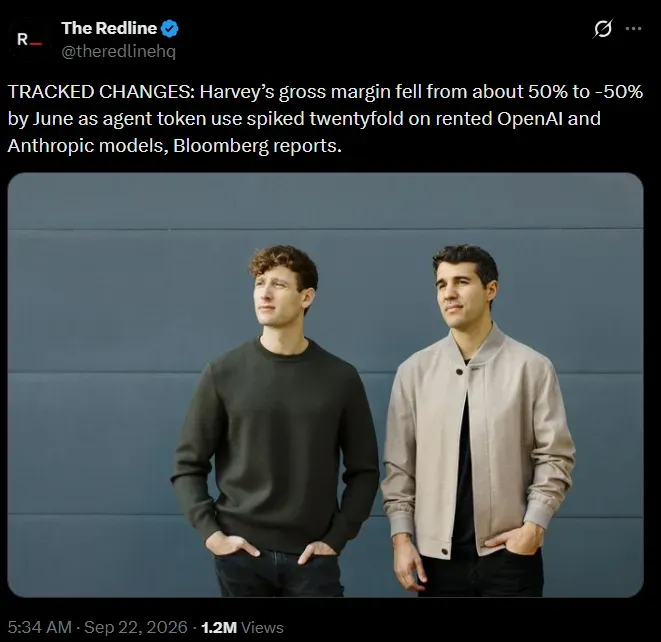
The SignalTraditional SaaS pricing was built around the idea that serving another customer doesn't become dramatically more expensive just because they use the product more. AI changes that. When every prompt, token, generation, or agent run has an underlying cost, your heaviest users can also become your most expensive customers. That's why I think we're going to see more AI companies rethink what “unlimited” actually means. The answer isn't necessarily to make pricing complicated. It's to make it reflect how the product is actually being used. 
Why This MattersThis is where I think credit-based pricing makes a lot of sense. You can still have a predictable monthly subscription, but that subscription comes with a defined amount of usage. The customer knows what they're paying for. You have a clearer idea of what that customer can cost you. And if they need more, they can simply buy more credits. Subscription + Usage = Credits. It creates a middle ground between completely unpredictable usage-based pricing and unlimited plans that can become difficult to sustain. And as AI products become more capable, I think understanding that balance between growth and unit economics is going to become increasingly important. What We ShippedThat same focus on giving businesses more control over their pricing and payments is reflected in Dodo Payments v1.113.28. One of the bigger updates this week is Subscription Grace Periods. Merchants can now keep customers active for 1-30 days after a failed renewal, giving them time to resolve the payment issue before the subscription is put on hold or cancelled. We also introduced Manual Payment Retry, allowing merchants to retry failed subscription payments directly from the payment detail page using the customer's saved payment method. Alongside that, we shipped:
We also made improvements to discount creation, subscription cancellation, plan-change payments, KYC retries, and subscription notifications. A lot of these updates are about giving businesses more control over what happens after a customer starts paying. As billing gets more complex, that control becomes increasingly important. 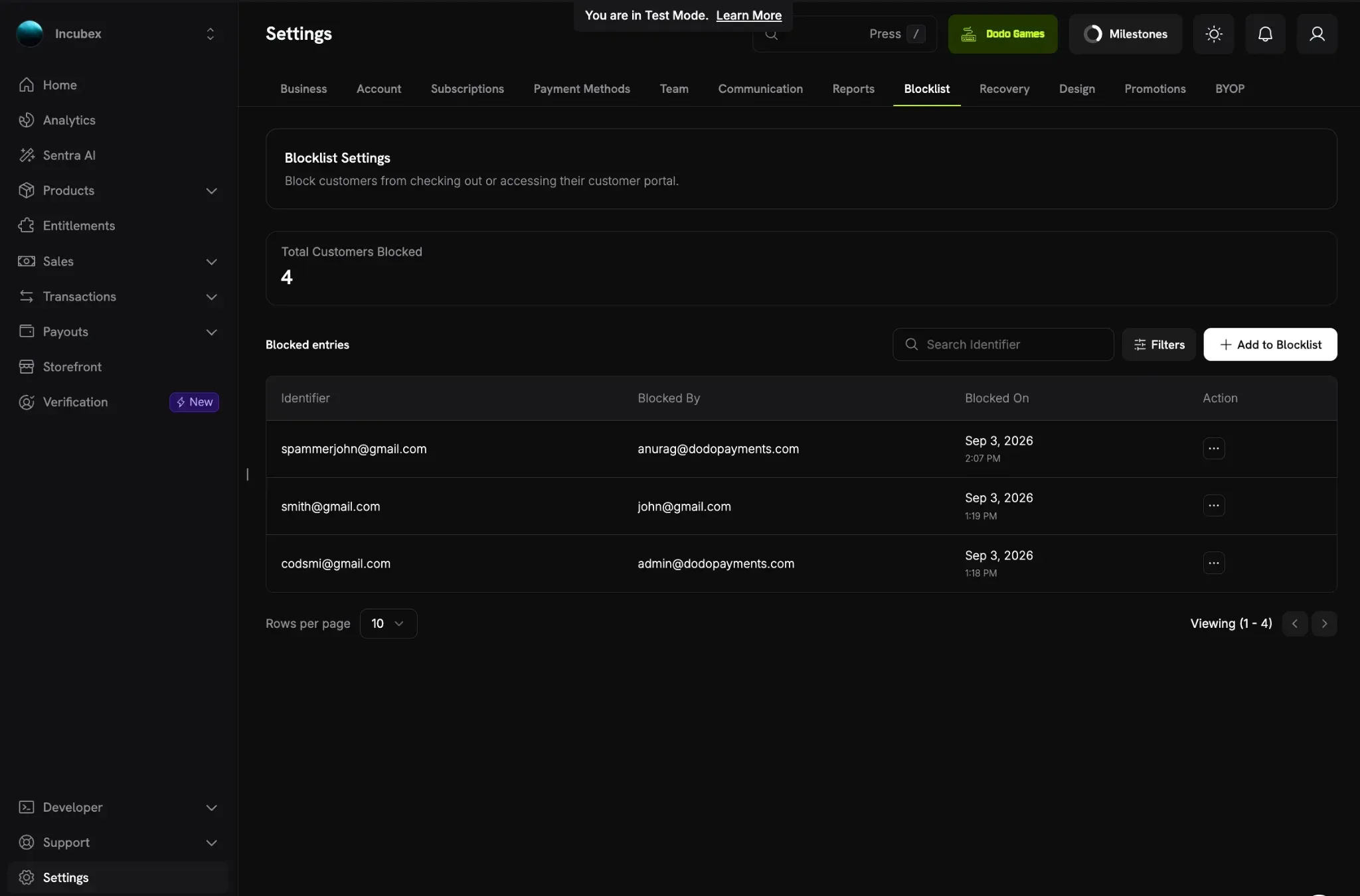
One Last ThoughtAI makes it incredibly easy to say “unlimited.” But unlimited usage doesn't mean unlimited cost. As founders, we need to think about both sides of the equation: how much value we're creating for the customer, and what it actually costs us to deliver it. Because the best pricing model isn't necessarily the one that sounds the simplest. It's the one that lets the business keep growing.
Best, |
|||||||||||||||||||||||
|