
|
|||||||||||||||||||||||||||||||
Global Business Is Built on Local Understanding
Hello everyone, I've been thinking about how much business depends on understanding the people and markets you're working with. A recent set of stories around NVIDIA and its business in China caught my attention. One detail that stood out was reporting that NVIDIA had communicated certain commercial expectations to its cloud partners verbally, through sales teams and regional managers, rather than through formal written instructions. It reminded me of something I experienced when I visited China. There's a concept called guanxi. It's difficult to translate into one English word, but it broadly describes the importance of relationships, trust, and mutual obligations in business. And it made me think about how differently the same business conversation can happen depending on where you are in the world. The SignalIn China, business relationships can go beyond the usual exchange of proposals, contracts, and negotiations. Guanxi is built over time. It involves getting to know people, developing trust, maintaining relationships, and understanding that business connections often extend beyond a single transaction. When I visited China, I noticed how much importance was placed on building that relationship before getting straight into business. That's quite different from the way many companies approach partnerships elsewhere, where the conversation often starts with the product, pricing, and contract. Neither approach is inherently better. But understanding the difference matters. The NVIDIA story is an interesting reminder of this. Its business in China operates within a complicated environment of commercial relationships, regional expectations, and geopolitical restrictions. The way those relationships are managed can matter just as much as the technology being sold. And that's what I find interesting about doing business internationally. You might have the same product, the same pricing, and the same pitch, but the way you build trust with a potential partner or customer can look completely different from one market to another. 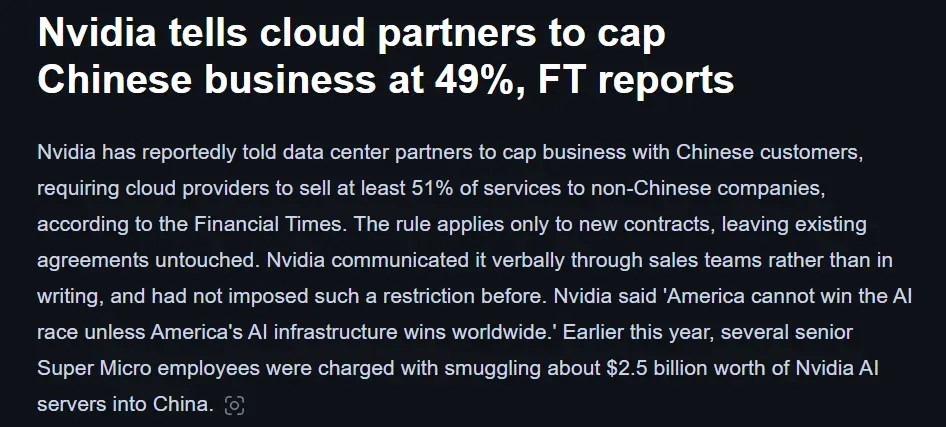
Why This MattersI think this is something founders need to pay more attention to, especially when they're trying to expand internationally. It's easy to assume that if your product works in one market, you can take the same approach everywhere else. Translate the website, adjust the pricing, run some ads, and start acquiring customers. But entering a new market involves much more than making your product available there. You need to understand how customers make decisions, how businesses evaluate partnerships, what they expect from customer support, and even how they prefer to communicate. Sometimes, the biggest barrier to entering a market isn't your product. It's that you haven't understood how people in that market do business. This is particularly important for companies like Dodo Payments, where we're building for businesses across different countries and regions. A founder in the US, a SaaS business in India, and a company operating in Southeast Asia might all need payment infrastructure. But their preferred payment methods, expectations around checkout, billing requirements, and ways of working can be very different. We can't expect one approach to work equally well everywhere. My takeaway from visiting China was that relationships aren't something you build only when you need a deal. You build them consistently, even when there's no immediate transaction involved. For founders looking to go global, I'd say spend time understanding the market before trying to sell into it. Talk to local businesses, find people who understand the region, learn how decisions are made, and pay attention to things that might seem unfamiliar at first. You don't have to change everything about your business to enter a new market. But you do need to understand what should change. Global expansion isn't just about taking your product to more countries. It's about learning how to build trust in each of them. What We ShippedA few days ago, we released Dodo Payments v1.120.40, with several improvements across checkout, dashboard functionality, developer infrastructure, and account security. Given everything we've discussed, I particularly want to highlight the security and access-control improvements.
Alongside these, we've shipped several other updates. The biggest checkout improvement is Single Page Checkout, which brings contact details, payment methods, and the payment button together on one page. Customers can complete their payment without navigating through multiple steps or leaving the page. You can also choose between accordion and tab-based payment method layouts. We've also introduced:
We also improved refunds in the original payment currency, payment reporting, analytics, payouts, checkout forms, and the Checkout SDK. Checkout, the Customer Portal, and the dashboard now support Serbian and Croatian as well. It's a substantial release, with improvements that help businesses manage payments while giving them more control over how their teams and connected services access their accounts. You can explore the full release here: Dodo Payments v1.120.40. 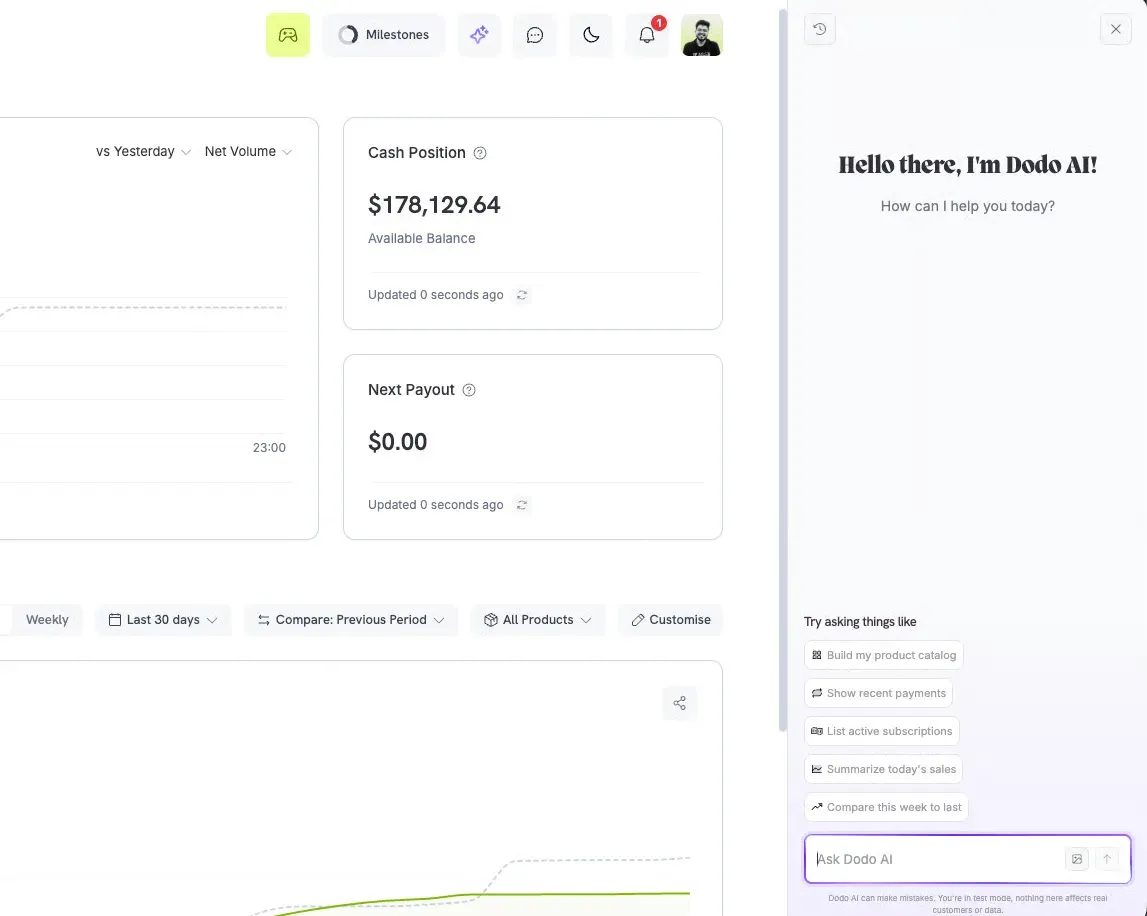
One Last ThoughtOne thing I've come to appreciate is that building a global company requires more than having a product that works everywhere. It requires understanding the people you're building for. The way customers evaluate a product, the way partners build relationships, and the way businesses make decisions can vary significantly across markets. As founders, we need to be willing to learn those differences instead of assuming our existing playbook will work everywhere. At the end of the day, technology can help you enter a market. But understanding the people in it is what helps you build something that lasts.
Best, |
|||||||||||||||||||||||||||||||
|