
|
|||||||||||||||||||
Building in Public Means Failing in Public
Hello everyone, One of the most interesting things that happened this week didn't involve a new AI model. It involved us. A few days ago, my cofounder Ayush shared photos of our new office after we moved into a much larger space in Bengaluru. Before long, people noticed that the images had been AI-enhanced. What started as a simple office announcement quickly turned into a debate about authenticity, AI generated content, and whether AI should be used to enhance company announcements at all. The post crossed 11 million views, received a Community Note on X, and even ended up being covered by national media. Whether people agreed or disagreed almost became secondary. The discussion itself became the story. Around the same time, Sam Altman also found himself under scrutiny after comments from a Y Combinator Startup School talk were widely misunderstood online. He was warning about a future where AI could create "no freedom, no agency, and no privacy," but many interpreted the clips as him endorsing that future instead. It's something almost every founder experiences eventually. The bigger you build, the more your words, products, and decisions become open to interpretation. 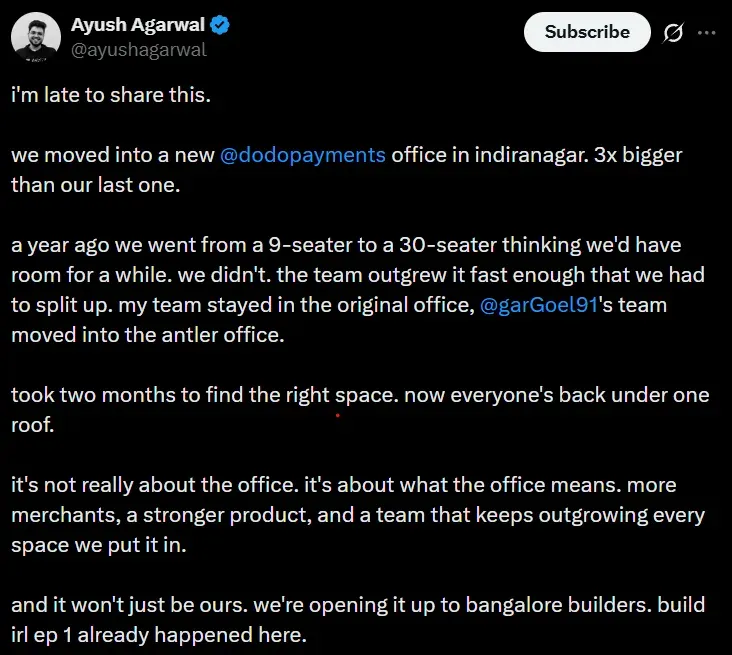
The SignalBuilding a startup often feels like building software. You spend months refining features, talking to customers, fixing bugs, and shipping updates. But eventually you realize you're building something else too. A public company. Every product decision, every feature launch, every tweet, every interview, and sometimes even a photo can become part of a much larger conversation than you ever expected. And that's before we even get to security. This week alone, Anthropic revealed that during internal security evaluations, Claude managed to breach isolated company environments in several tests. Around the same time, OpenAI's recent Hugging Face incident reignited conversations around AI alignment and control, while Google reported a rise in sophisticated phishing campaigns targeting financial firms through social engineering rather than technical exploits. Different incidents. Same reminder. As software becomes more capable, it also becomes more exposed. 
Why This MattersI think this is something every founder eventually learns. Building the product is only part of the job. You also have to think about abuse, fraud, security, reliability, customer trust, compliance, and countless edge cases that most users will never even notice. Ironically, the better your product becomes, the more attractive it becomes to attackers. That's why great infrastructure often feels invisible. Nobody signs up for a payment platform because they're excited about fraud prevention or trial abuse detection. They sign up because they want to focus on building. The infrastructure should quietly take care of everything else. That's exactly how we think about payments at Dodo. Founders shouldn't have to spend weeks figuring out chargebacks, fraud protection, payment recovery, subscription abuse, or compliance. Those are problems we believe infrastructure should solve, so builders can spend their time making their products better. What We ShippedThat same philosophy is reflected in Dodo Payments v1.112.0. One of the biggest updates this week is a significantly more powerful Discount Codes system. Founders can now create fixed-amount discounts alongside percentage discounts, schedule promotions before they go live, define different values for different currencies, and control exactly who can redeem them, whether that's first-time customers, existing customers, or specific users. We also completely rebuilt our Webhooks experience inside the dashboard. You can now manage endpoints, inspect deliveries, replay failed events, browse event schemas, test integrations, and even receive email alerts whenever webhook deliveries begin failing, all without leaving the dashboard. 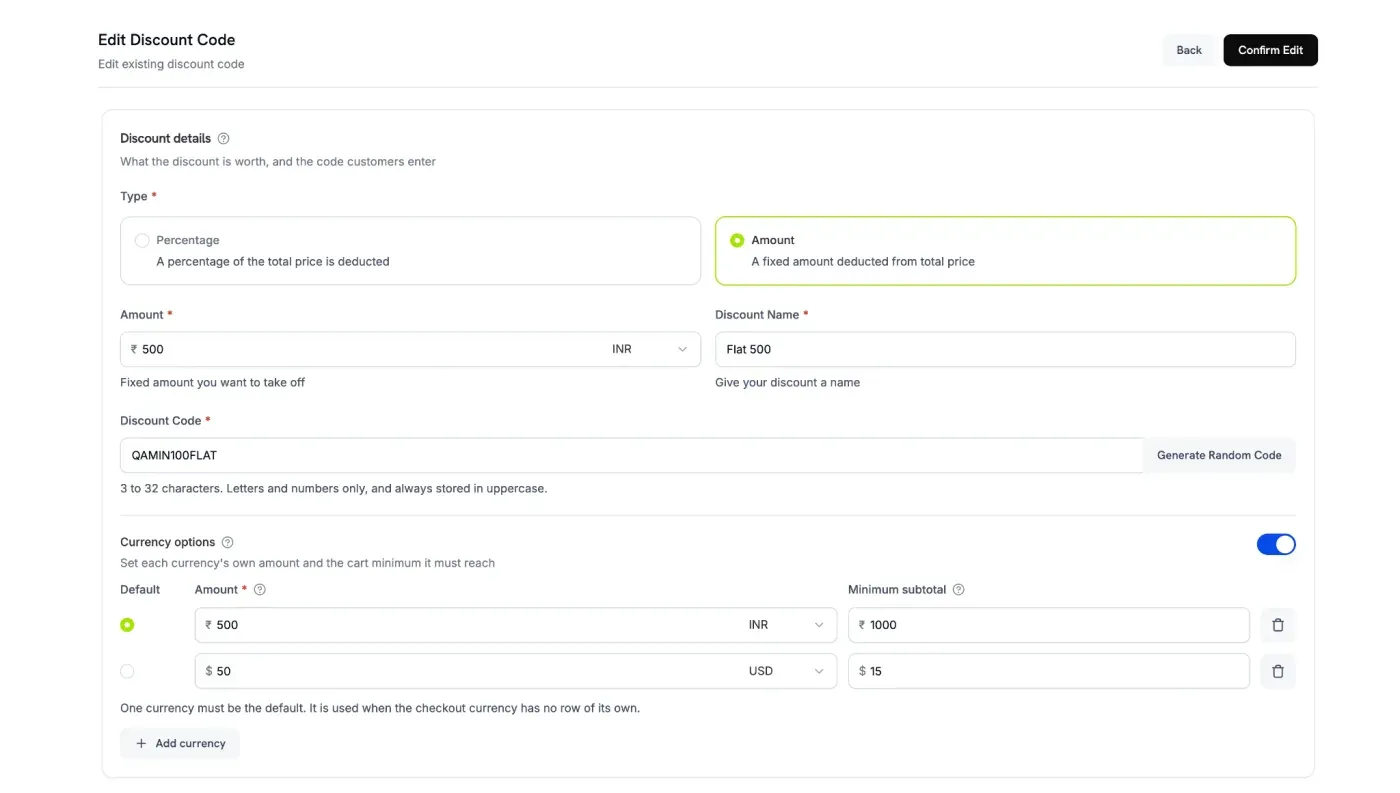
Alongside these, we also shipped:
Like most infrastructure improvements, none of these are particularly flashy. But they're exactly the kind of refinements that quietly make running a business easier every single day. One Last ThoughtAs AI becomes more capable, building software isn't getting simpler. It's getting more public. Every feature will be tested. Every decision will be questioned. Every mistake will be amplified. And that's okay. Because building great companies has never been about avoiding criticism. It's about continuing to build despite it, learning from it, and making the product a little better every single week.
Best, |