In Iceland, scientists are planning to drill two boreholes to a reservoir of liquid rock. One will give us our first direct measurements of magma – the other could supercharge geothermal power. Read more |
The birth of a child is a happy time for most, but overwhelming anxiety can take hold for some parents. Why does this happen and what can we do about it? Read more |
| |
|
Like what you see? Subscribe today to gain unlimited access to all our subscriber only content. |
|
|
This week's top news stories |
|
|
An area of the seabed north of Australia has been mapped in detail for the first time, revealing that large numbers of people could have lived there until it was inundated by rising seas. Read more |
|
|
People with severe covid-19 infections are more than 4 times as likely to later be diagnosed with schizophrenia than people who have not been infected, though the risk of developing the condition is relatively low. Read more |
|
|
A battery-like device known as a supercapacitor can be created from different parts of aloe vera plants – and it can be used to make living plants power lights. Read more |
|
|
Sponsored by: ITN Business |
|
|
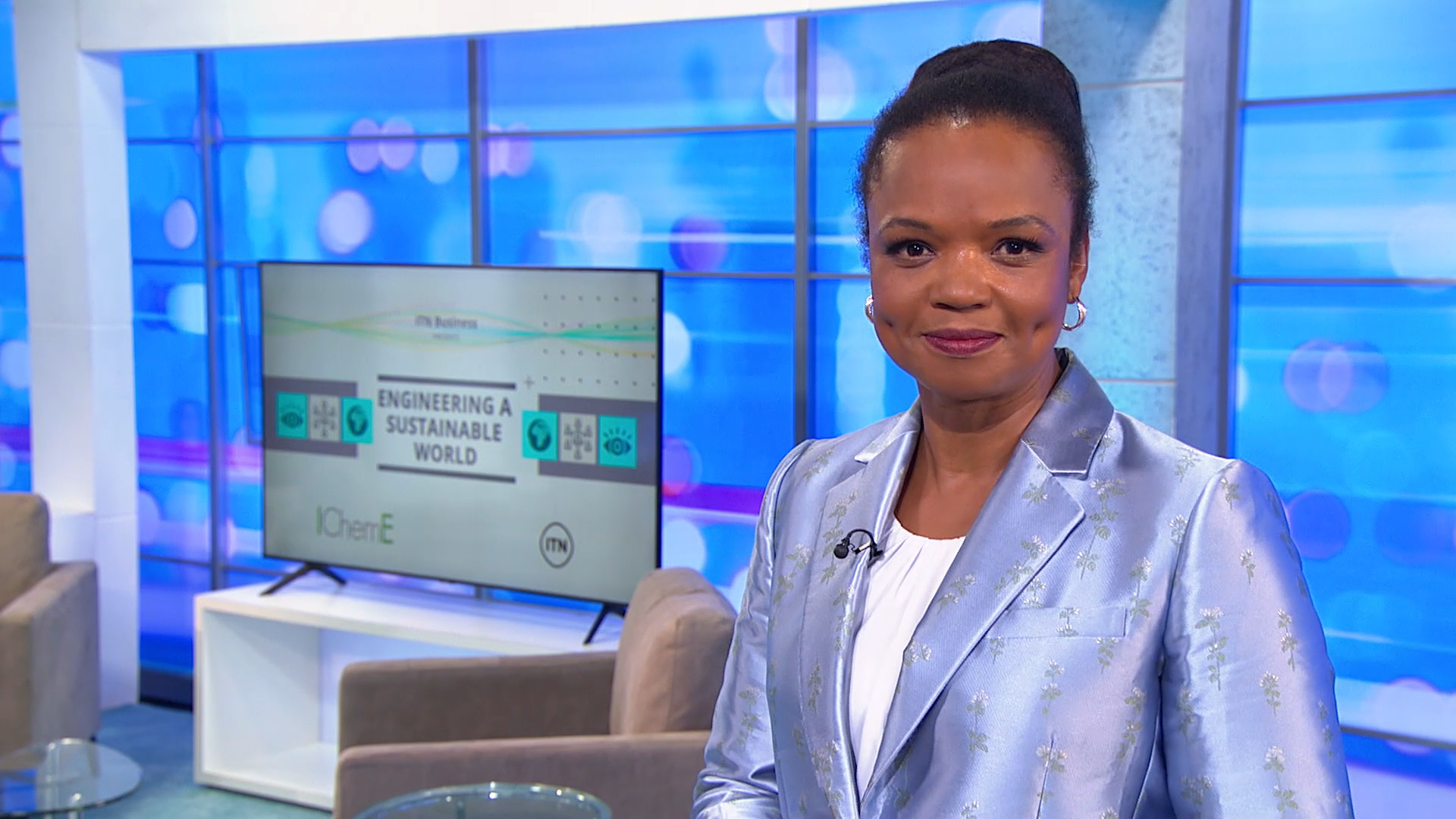
| Engineering a Sustainable World |
ITN Business launches news-style programme ‘Engineering a Sustainable World’ which explores the role chemical and process engineers are playing in addressing climate change, the importance of collaboration between industry and academia, and why it’s critical to inspire the next generation of engineers. |
|
|
| From the archive
Originally released in January 2021, this episode of Escape Pod looks at the self-awareness of dolphins and whales, marvels at the seemingly impossible abilities of gymnasts and ballerinas, and then considers Go, the Chinese board game with more possible moves than there are atoms in the universe.
Subscribe on Apple, Spotify or other podcast apps.
|
|
|
The week's most popular stories |
|
|
Neutrinos produced inside an exploding star could betray exotic particles that would lead to a deeper theory of physics. Will our detectors be ready in time for the next nearby supernova? Read more |
|
|
In the largest survey yet of AI researchers, a majority say there is a non-trivial risk of human extinction due to the possible development of superhuman AI. Read more |
|
|
Fallout, 3 Body Problem and the final series of Andor should air in 2024, alongside BBC nature documentaries and gritty TV dramas like Toxic Town, says Bethan Ackerley. Read more |
|
|
This week's free premium article |
As a registered user you have free access to this subscriber-only article. Simply log in to your account to start reading. |
|
|
A non-lethal method of catching great white sharks and releasing them 500 metres further out to sea can make the predators steer clear of beaches where people swim. Read more |
|
|
| The breathtaking advances in artificial intelligence and a growing urgency to find climate change solutions are set to dominate headlines in 2024. Stay ahead with New Scientist for just $1.50 a week and let us guide you through the coming year. |
|
|
This email has been sent to subscriber@example.com.
Unsubscribe from the Weekly newsletter |
Do not reply directly to this email. If you have an enquiry, please contact us using the relevant contact details listed here. |
Copyright © New Scientist Ltd
Registered Office: 9 Derry Street, London, W8 5HY
Registered in England. No.10644366
Australian mailing address: PO Box 2315, Strawberry Hills, NSW 2012, Australia
Registered in Australia. ABN 22 621 413 170
Privacy Policy | Terms & Conditions |
|
|
|
|
|
|