Plus: How concussion can lead to brain damage and how to prevent it
New Scientist's Health Check Newsletter

Received this from a friend?
Sign up now to get every issue direct to your inbox each week


Top health stories 

A close-up of someone's feet as they stand on weighing scales

New weight loss options may be in store

Kseniya Ovchinnikova/Getty Images

Experimental weight loss pill seems to be more potent than Ozempic


Microplastics in arteries linked to heart attacks and strokes


Wearing make-up during exercise may harm your skin


Like what you see? Subscribe today to gain unlimited access to all our subscriber only content.

Subscribe now


Hi readers,


For a year, I’ve been following a developing story about rising numbers of cancer cases over the past three decades in people under 50.


The trend is happening for most tumour types. For example, in the UK people aged 25 to 49 have seen cancers of any type rise by 22 per cent, with a particularly pronounced rise of 50 per cent for bowel cancer.


It is important not to get this rise in early-onset cancers mixed up with broader trends. The vast majority of cancers are in older people; the incidence rises steeply with age and the group with the highest rate of new diagnoses are people in their early 80s. Therefore, the increase in the under-50s has so far made only a small impact on total cancer cases.


Confusingly, it also happens to be true that anyone’s likelihood of getting cancer over their whole lifespan has also risen. About 30 years ago the risk of ever getting cancer was about one in three. Today it is about one in two.


But that’s for a different reason than the rise in early-onset cases. The overall cancer rise is happening chiefly because we are living so much longer. The longer you live, the more time there is to develop harmful mutations that let a cell escape the normal controls on it multiplying. 

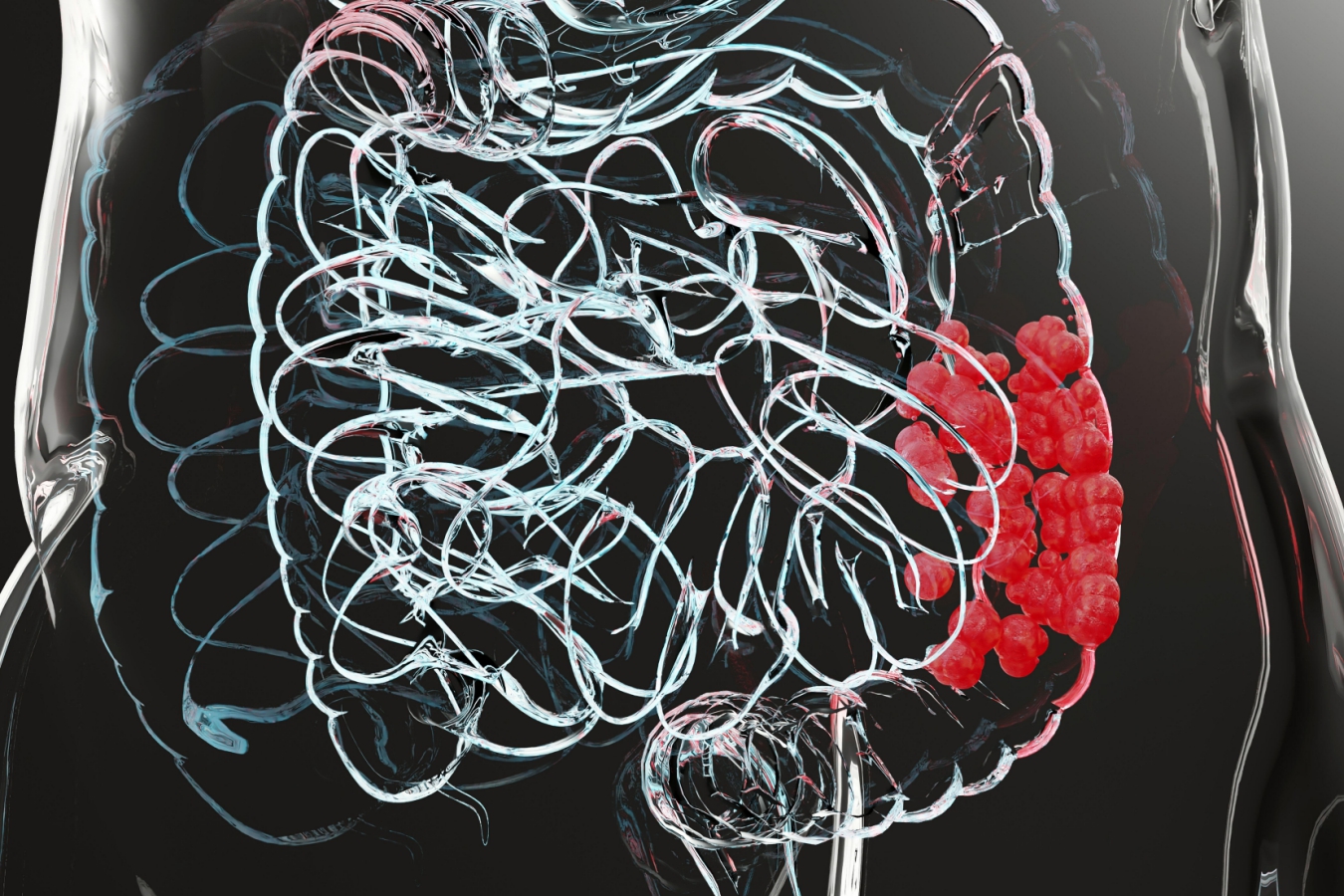
Illustration of a cancerous area of the bowel

Bowel cancer cases in under 50s are rising more steeply than other tumour types

Mohammed Elamine ALIOUI/Alamy

Let’s get back to the possible causes for the rise in early-onset cancers. Because the trend is seen in so many different high-income countries – as well as the UK, it is affecting the US, Canada, Australia, South Korea and many European nations – it is generally thought to be caused by some aspect of modern life.


When the phenomenon came to wider attention last year, some media outlets ran articles identifying various possible culprits. For instance, there was a piece in The Guardian saying it could be down to our rising consumption of highly processed food. A story in the Financial Times, on the other hand, said researchers were homing in on changes to our gut microbes as the cause.


In fact, the scientists who are studying this issue tend to say that we don’t yet know the real explanation. Lifestyles have changed over the past few decades in so many ways – including in terms of what we eat and drink, the medicines and illegal drugs we take, the air pollution we breathe in, even the toiletries and household chemicals we come into contact with.


This week, a huge study looking at the cause of rising early-onset bowel cancers was announced, which will investigate what is going on using stored biological samples – such as blood, urine and faeces – from 15 biobanks around the world, as I reported here.


The plan is to see whether a higher incidence of these tumours correlates with any biochemical signatures in the samples. This five-year, £20 million study wouldn’t have got the go-ahead if we already knew the cause!


However, if you’re interested in the latest science on highly processed food, we have a feature-length article here, and we recently ran a series of reports on the latest microbiome research, which you can explore here.


Treatment progress


As it can be depressing talking about rising cancer rates, I’ll leave you with some more optimistic trends in this field. In the UK, for instance, a quarter of people diagnosed with cancer in the 1970s would live for at least 10 years afterwards, whereas today, about a half do so.


The progress for children with cancer has been even better: more than eight in 10 children with cancer are completely cured today, compared with two in 10 in the 1960s. There are similar trends in other high-income countries.


These gains seem to stem mainly from improved treatments. Some people claim that the better survival rate for adults is also because of wider uptake of cancer screening - but here the evidence is less certain.


It is possible that some forms of screening, such as for breast and prostate tumours, are actually just finding small cancers that wouldn’t necessarily have progressed. But that controversy will have to wait for another newsletter.


 

New Scientist subscriptions

The pursuit of self-knowledge. Image links to offer.

Get 12 weeks for $20

Discover the most awe-inspiring ideas, including the secrets around the human brain. Join New Scientist, your brain will thank you. 

Subscribe now
 

The long read: Concussion

Two American football players crash into each other

Some sports are especially risky

AP Photo/John Russell/Alamy

It is becoming increasingly clear that repetitive knocks to the head - like those experienced in many contact sports - can lead to long-term damage, including memory loss, confusion, depression and even dementia. We're seeing this play out in many ex-athletes who have spent their lives playing rugby, soccer and more.


Thankfully, a new understanding of what concussion does to the brain - and even what a single knock to the head can do - is helping us find targets for new treatments. It's also pushing regulatory bodies to put protective measures in place for professional and young, amateur athletes, as well as helping researchers develop technologies that can offer everyone better protection in their chosen sport.


That’s all for this week. If you know someone who might enjoy this newsletter, please forward it to them. 

New Scientist health reporter Clare Wilson

Clare Wilson

Health reporter, New Scientist

Email me at healthcheck@newscientist.com
Follow me @clarewilsonmed

Received this from a friend? Sign up here

For the latest science and technology news, in-depth articles and video, visit newscientist.com


Facebook TwitterInstagramLinkedIn TikTok

Update preferences  |  Help  |  Contact us

View in browser

This email has been sent to subscriber@example.com. 
 Unsubscribe from the Health Check newsletter

Do not reply directly to this email. If you have an enquiry, please contact us using the relevant contact details listed here.

Copyright © New Scientist Ltd


Registered Office: Northcliffe House, 2 Derry Street, London, W8 5TT
Registered in England. No.10644366
Australian mailing address: PO Box 2315, Strawberry Hills, NSW 2012, Australia
Registered in Australia. ABN 22 621 413 170


Privacy Policy  |  Terms & Conditions