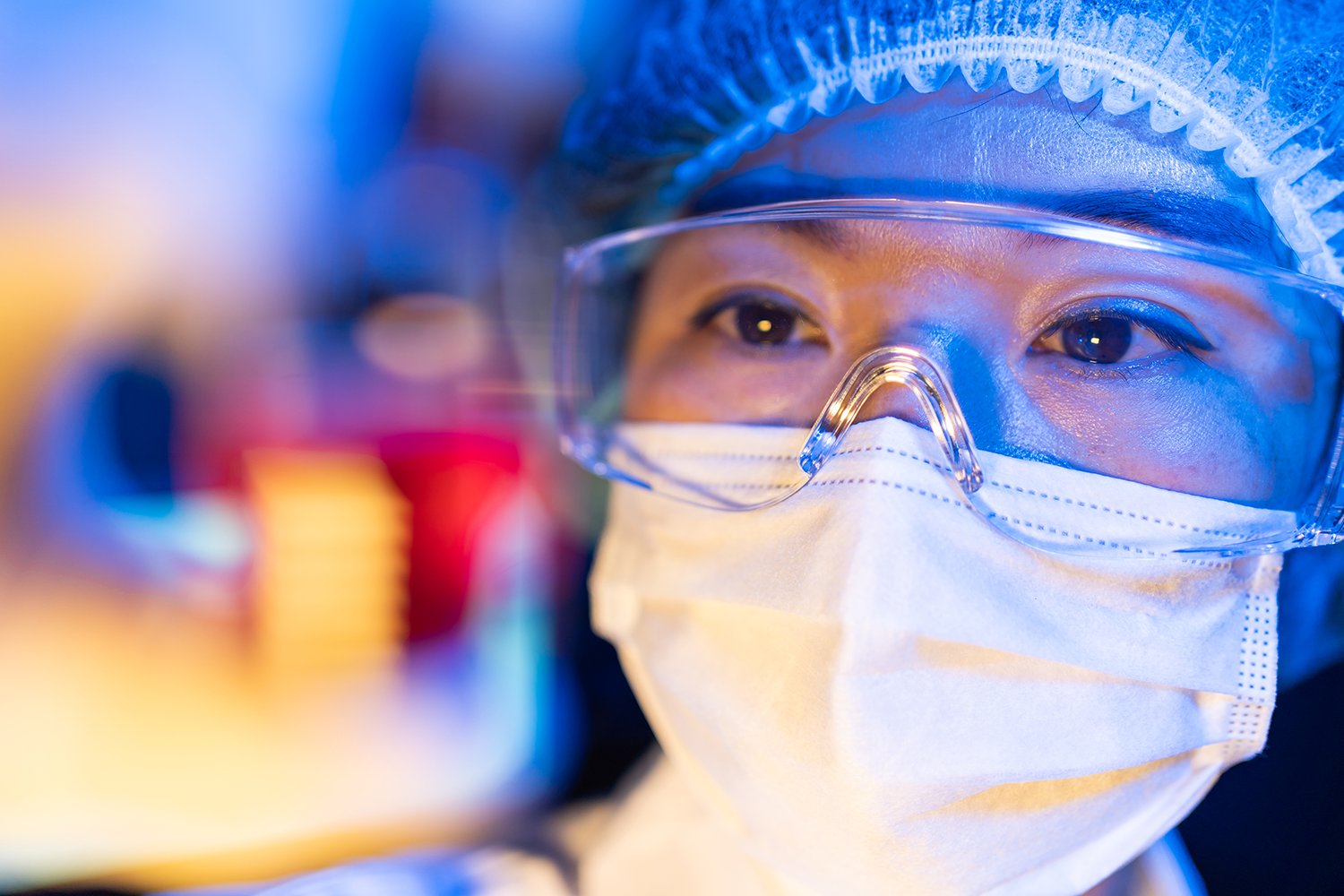
Millions of people are turning to therapy chatbots for support, but what are the consequences of outsourcing our emotional needs to machines? Read more |
What did NASA's OSIRIS-REx mission to sample Bennu discover? Mission leader Dante Lauretta says the asteroid could hold clues about how life began. Read more |
| |
|
Like what you see? Subscribe today to gain unlimited access to all our subscriber only content. |
|
|
This week's top news stories |
|
|
Pippa Samaya/Getty Images/Cavan Images |
|
|
The much-touted advice to take 10,000 steps a day for our health has been accused of lacking evidence, but new research suggests that hitting this target has serious benefits. Read more |
|
|
Existing quantum computers can solve some problems faster than any ordinary computer, but none of those problems has any practical use. Google and XPRIZE hope to change that. Read more |
|
|
Our skin's pores normally enlarge when we exercise, but this appears to be hindered if we are wearing make-up, which may prevent the release of healthy oils. Read more |
|
|
Sponsored by the UK Department for Business and Trade and the Medicines and Healthcare products Regulatory Agency |
|
|
| How the UK is transforming clinical trials |
The UK is transforming its ecosystem for clinical trials. But how? And why do global biotechnology companies care? To find out, meet the decision-makers driving this change in our sponsored video. |
|
|
| Is personalised medicine overhyped?
In this week’s podcast, hosts Christie Taylor and Timothy Revell examine whether personalised medicine has truly provided us with better treatments for serious conditions, why Pythagoras was wrong about music, and how we evolved to understand the concept of zero.
Subscribe on Apple, Spotify or other podcast apps.
|
|
|
The week's most popular stories |
|
| AP Photo/John Russell/Alamy |
|
|
A new understanding of what happens to the brain after a knock to the head is finally waking us up to the risk of contact sports, and ways to stop long term damage. Read more |
|
|
A genetic study of nearly 2700 individuals has revealed the ancestry of Indian people, and gets scientists closer to reconstructing the genomes of ancient Neanderthals. Read more |
|
|
With a new Adrian Tchaikovsky novel, a Mars-set romance from Natasha Pulley and a high-concept thriller from Stuart Turton due to hit shelves, there is plenty of great new science fiction to be reading in March. Read more |
|
|
This week's free premium article |
As a registered user you have free access to this subscriber-only article. Simply log in to your account to start reading. |
|
|
Puzzles that bumblebees cannot solve on their own can be cracked with help from another bee, adding to research on the transmission of culture among insects. Read more |
|
|
New Scientist subscriptions |
|
|
|
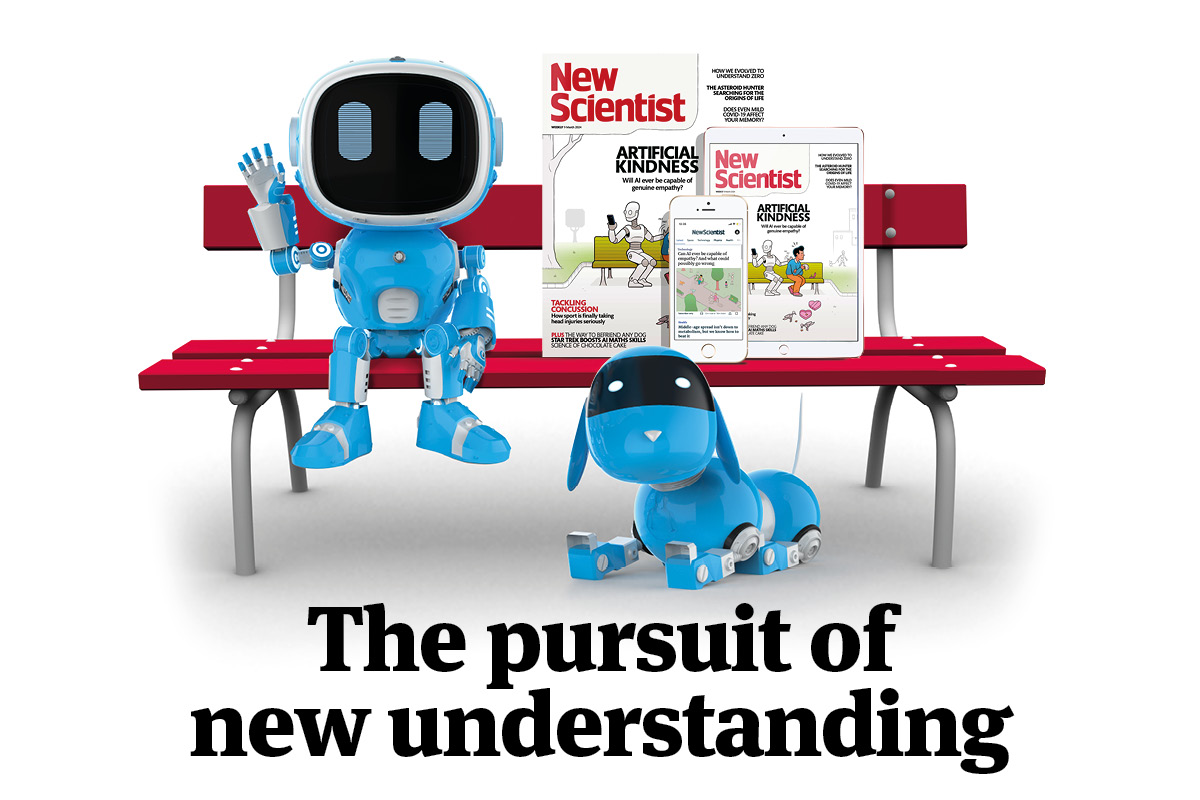
Artificial intelligence is advancing at a breathtaking speed. Get unlimited access to the latest news and in-depth research surrounding the prospects and pitfalls that artificial intelligence poses and how this will likely impact our society. |
|
|
This email has been sent to subscriber@example.com.
Unsubscribe from the Weekly newsletter |
Do not reply directly to this email. If you have an enquiry, please contact us using the relevant contact details listed here. |
Copyright © New Scientist Ltd
Registered Office: 9 Derry Street, London, W8 5HY
Registered in England. No.10644366
Australian mailing address: PO Box 2315, Strawberry Hills, NSW 2012, Australia
Registered in Australia. ABN 22 621 413 170
Privacy Policy | Terms & Conditions |
|
|
|
|
|
|