Our favourite wildlife shots, from hyenas to stingrays. Plus: a safer way to power boats. |
|
|
Like what you see? Subscribe today to gain unlimited access to all our subscriber only content. |
|
|
Wim van den Heever/naturepl.com |
|
|
An inquisitive hyena pup sniffs out a camera in a national park in Kenya, while its mother keeps a watchful eye in the background. A southern stingray prowls a seabed at dawn off the coast of the Cayman Islands. And a fluorescent sap-sucking slug creeps off the coast of northern Indonesia. Marvel at all these wonders of nature and more. See the images.
|
|
|
A robot boat with a propeller made from liquid magnets could be a safer alternative than one with solid metal blades, which can damage wildlife. Researchers attached two blobs of ferrofluid to opposite sides of a square acrylic plate that extended into water, with a platform to house a battery and electronics for electromagnets above. They found that when they triggered the ferrofluid to shift from side to side, at a rate of about nine times per second, the craft moved forward at around 2.7 millimetres per second. The softer nature of fluid-fluid interactions could reduce damage to wildlife if deployed in a real-life craft, the team says. Read more
|
|
|
New Scientist subscriptions |
|
|
| To make their nighttime journeys, reindeer have evolved the ability to shift their eye colour as the seasons change to see better in the dark. Read about this and other wonders of the natural world with a New Scientist subscription. |
|
|
Long read: Earth could survive sun's death |
|
|
MARK GARLICK/SCIENCE PHOTO LIBRARY |
|
|
In about 5 billion years, our sun is going to have swollen into a red giant, in its last stages of life before it dies. We used to think this process would wipe out Earth. But we have recently caught sight of the dying stages of other stars for the first time. And, miraculously, some planets seem to be able to survive these apocalyptic periods. It is challenging the story of how Earth will die and giving us hope that it might somehow outlast the sun. Read more
|
|
|
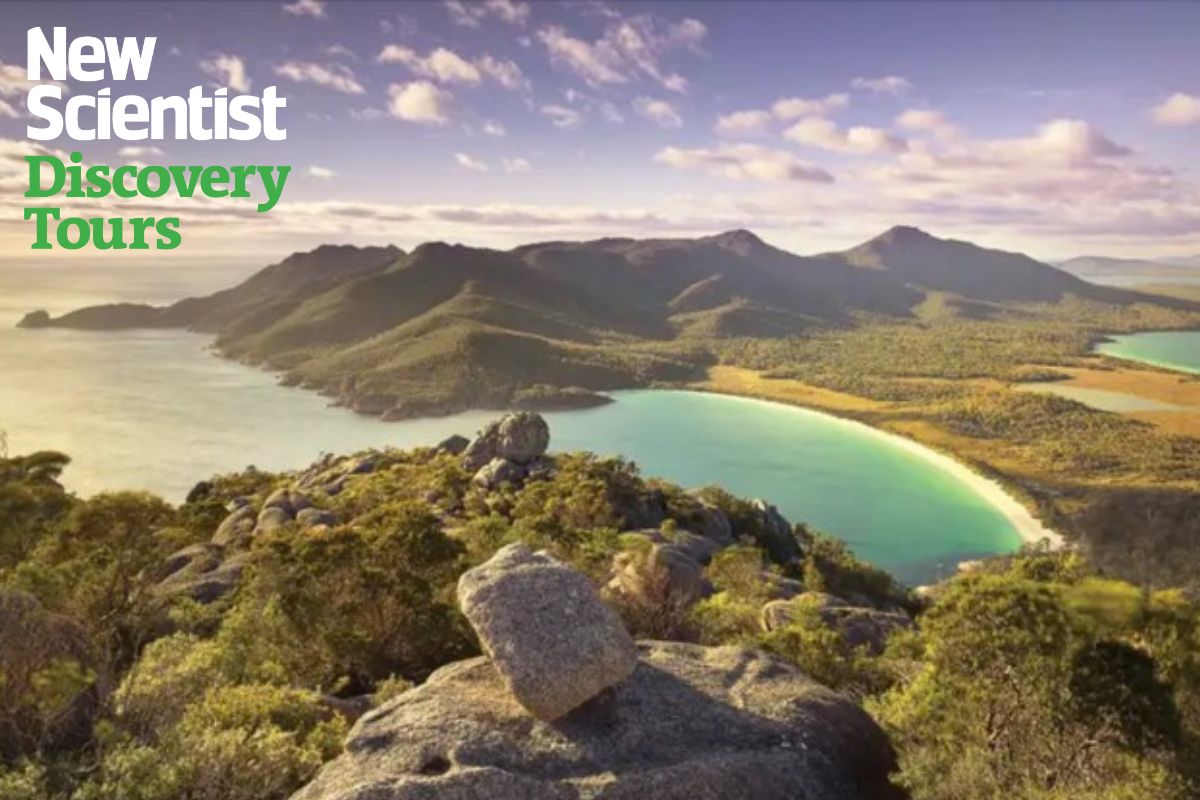
| Tasmania's flora, fauna and geology: Australia
20 February 2024 | 12 days |
Join us for a highly immersive expedition around the reserves, coasts, wetlands, rainforests, national parks and alpine landscapes of Tasmania, in search of its diverse wildlife, amazing flora and ancient geological features. |
|
|
“Apparently this cat is very fond of chasing laser pointers, so somehow that all came together in this video.” |
|
|
The New Scientist team will be taking a break for the holidays. The next daily newsletter will be in your inbox on 3 January. Happy holidays to those who celebrate. See you in 2024! |
|
|
This email has been sent to subscriber@example.com.
Unsubscribe from the Daily newsletter |
Do not reply directly to this email. If you have an enquiry, please contact us using the relevant contact details listed here. |
Copyright © New Scientist Ltd
Registered Office: Northcliffe House, 2 Derry Street, London, W8 5TT
Registered in England. No.10644366
Australian mailing address: PO Box 2315, Strawberry Hills, NSW 2012, Australia
Registered in Australia. ABN 22 621 413 170
Privacy Policy | Terms & Conditions |
|
|
|
|
|
|