Bitcoin miners seem unwilling to take action to curb the cryptocurrency's energy and water use. Plus: the plastic particles in bottled water. |
|
|
Like what you see? Subscribe today to gain unlimited access to all our subscriber only content. |
|
|
VonWong/Skull Of Satoshi/Greenpeace blog.vonwong.com/skull/ |
|
|
The amount of electricity used to mine and trade bitcoin climbed to 121 terawatt-hours in 2023, 27 per cent more than the previous year. While other cryptocurrencies in the same position have made bold changes to cut their impact, bitcoin’s decentralised community of developers, miners and investors are showing little interest in changing course. If bitcoin cannot clean up its own house, should governments step in to shut it down? "Bitcoin miners and investors continue to forge forward, growing their industry, showing a clear lack of concern for CO2 emissions, large water usage, support for fossil fuels and negative community impacts," says Erik Kojola at Greenpeace USA. Read more
|
|
|
A single 1-litre bottle of water could contain hundreds of thousands of plastic particles. Researchers took six bottles of own-brand water from three unnamed US supermarkets and exposed them to lasers, which would vibrate when they encountered a plastic fragment. On average, each bottle contained around 240,000 plastic particles. Of these, around 90 per cent were nanoplastics, measuring less than one micrometre across. The health implications of ingesting plastic are unclear, but early research suggests such particles could travel into various organs within the body. Read more
|
|
|
New Scientist subscriptions |
|
|
| The breathtaking advances in artificial intelligence and a growing urgency to find climate change solutions are set to dominate headlines in 2024. Stay ahead with New Scientist for just $1.50 a week and let us guide you through the coming year. |
|
|
Q&A: ‘I come to work to go to the moon’ |
|
|
Astronaut Christina Koch is ready to break another record - becoming the first woman to travel to the moon on NASA’s Artemis mission later this year. She spoke to New Scientist about her time setting the record for the longest spaceflight by a woman, what astronauts do in their free time – including human bowling – and how she's preparing to go to the moon. Plus, what it might be like to look back at Earth and see the whole thing out the window. Read more
|
|
|
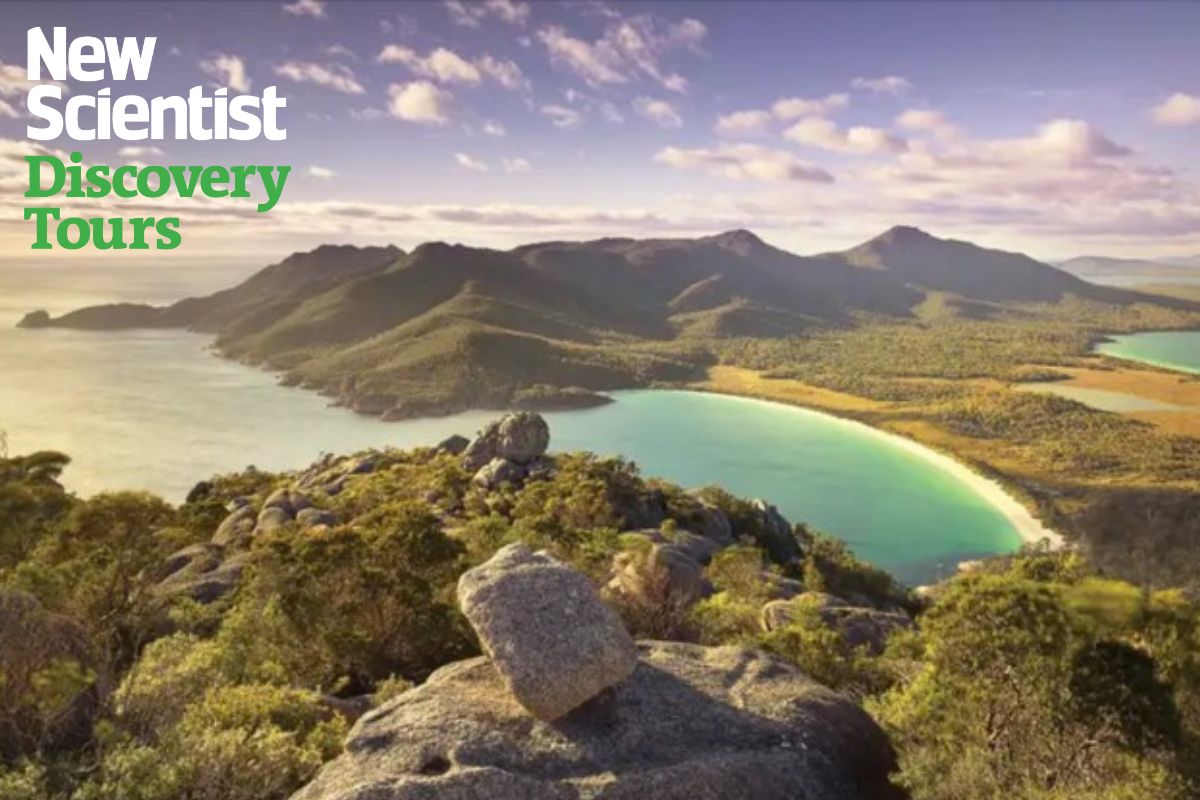
| Tasmania's flora, fauna and geology: Australia
20th February 2024 | 12 days |
Join us for a highly immersive expedition around the reserves, coasts, wetlands, rain forests, national parks and alpine landscapes of Tasmaniain search of its diverse wildlife, amazing flora and ancient geological features. |
|
|
“You can bet $100 to a donut on this and be sure of getting a free donut, if you can find a sucker willing to take the bet.” |
|
|
This email has been sent to subscriber@example.com.
Unsubscribe from the Daily newsletter |
Do not reply directly to this email. If you have an enquiry, please contact us using the relevant contact details listed here. |
Copyright © New Scientist Ltd
Registered Office: Northcliffe House, 2 Derry Street, London, W8 5TT
Registered in England. No.10644366
Australian mailing address: PO Box 2315, Strawberry Hills, NSW 2012, Australia
Registered in Australia. ABN 22 621 413 170
Privacy Policy | Terms & Conditions |
|
|
|
|
|
|