Largest volcanic eruption in recorded history was underwater. Plus: deepfakes are out of control – is it too late to stop them? |
|
|
Like what you see? Subscribe today to gain unlimited access to all our subscriber only content. |
|
|
The Asahi Shimbun via Getty Images |
|
|
The largest volcanic eruption of the current geological epoch happened underwater off the southern coast of Japan about 7300 years ago. The blast produced more than three times as much material as the largest modern eruption known, that of Mount Tambora, which exploded in Indonesia in 1815 and caused such drastic climate changes that it led to the “Year Without a Summer” in 1816. The new record-holder, the Kikai-Akahoya eruption, came from a submerged caldera in a region of sea near the Japanese island of Kyushu.
Read more. |
|
|
Singer-songwriter Taylor Swift has something in common with a growing number of non-celebrities: the appalling experience of featuring in fake sexual images made by strangers using artificial intelligence. Barely a week after explicit AI‑generated images of Swift went viral online last month, more AI-manipulated images and videos appeared that falsely portrayed her expressing support for US presidential candidate Donald Trump. These incidents were preceded by a scam campaign that cloned the voices of Swift and other celebrities. Swift’s experience reflects the troubling trends involving AI-generated images, audio and video called deepfakes. Now that they are trivially easy for anyone to create, is it too late to stop their spread?
Read more. |
|
|
New Scientist subscriptions |
|
|
|
Gain instant access to our expert coverage of surprising new breakthroughs, including fresh insights into the daily lives of our ancestors when you subscribe. |
|
|
Long read: Why forgetting is normal |
|
|
Hans Neleman/Getty Images |
|
|
Forgetting where you put your car keys, or what you had for dinner last Friday, can be frustrating or even worrying. But cognitive scientists now think that this “natural forgetting” – as opposed to “pathological” forgetting in dementia, say – is a key part of how your brain works. Their research suggests not only that forgetting underpins the human brain’s capacity to efficiently process sensory information to make sense of the world, but also its unique ability to generalise knowledge across a range of problems.
Read more |
|
|
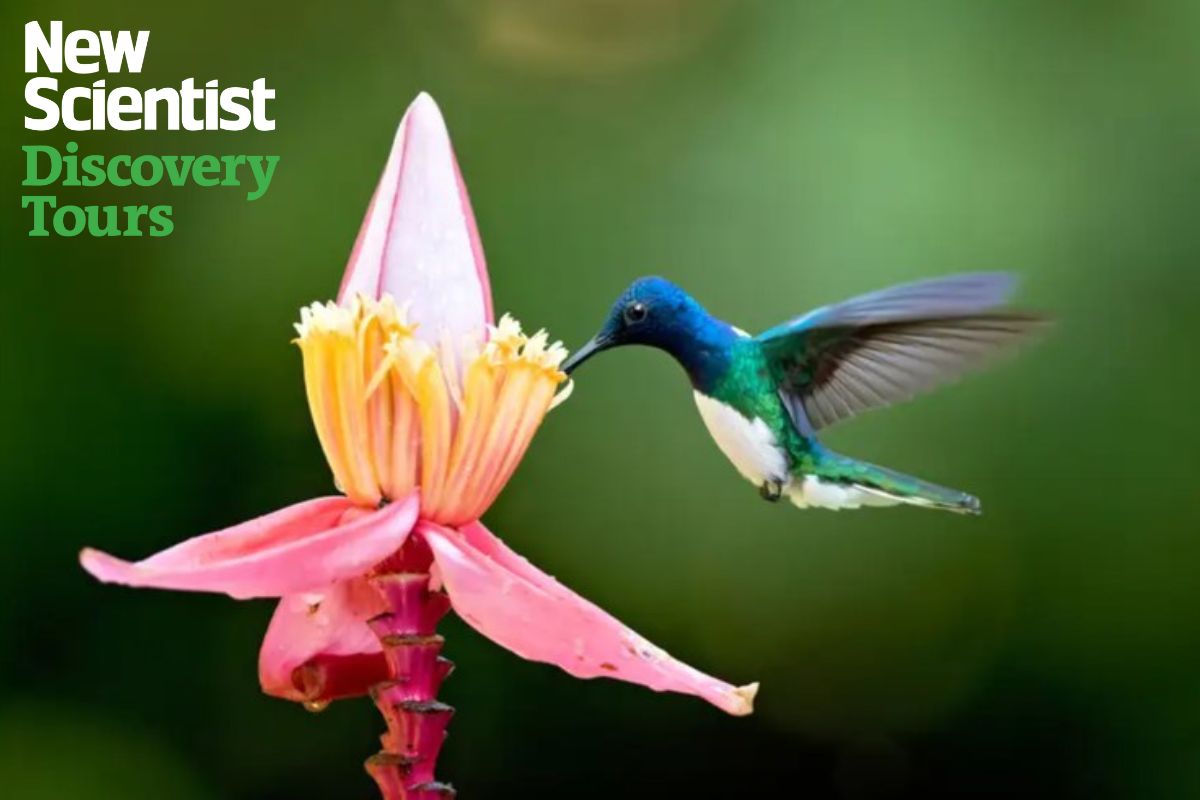
| In the footsteps of Alexander von Humboldt: Ecuador 16 August 2024 | 11 days |
Explore Ecuador's stunning natural wonders, including the Amazon and Cloud Forest, and follow in the footsteps of ecologist Alexander von Humboldt. |
|
|
“We’ve never seen this in any other animal.”
|
|
|
Thanks for reading and have a great Thursday. |
|
|
This email has been sent to subscriber@example.com.
Unsubscribe from the Daily newsletter |
Do not reply directly to this email. If you have an enquiry, please contact us using the relevant contact details listed here. |
Copyright © New Scientist Ltd
Registered Office: Northcliffe House, 2 Derry Street, London, W8 5TT
Registered in England. No.10644366
Australian mailing address: PO Box 2315, Strawberry Hills, NSW 2012, Australia
Registered in Australia. ABN 22 621 413 170
Privacy Policy | Terms & Conditions |
|
|
|
|
|
|