Military veterans with traumatic brain injury saw drastic reductions in symptoms after using the psychedelic drug ibogaine. Plus: a massive skull sheds light on an ancient sea reptile. |
|
|
Like what you see? Subscribe today to gain unlimited access to all our subscriber only content. |
|
|
Shutterstock / Ground Picture |
|
|
The psychedelic substance ibogaine may treat chronic disability from traumatic brain injury (TBI). A single dose of the drug led to lasting improvements in physical and social functioning, cognition and mood in a trial of 30 male US military veterans with TBI, although there was no control group in the study. “This is the first time anybody has really been able to show that there are neuro-rehabilitation effects from any psychedelic, and a pretty profound signal of improvement,” says Nolan Williams at Stanford University in California. Read more
|
Artificial intelligence has been used to compare English place names to thosein a host of other European languages, revealing hints about their roots. Michael Dalvean at the University of Western Australia says that rather than studying language and history, as is conventionally done by place-name scholars, relying on pure statistics meant he could uncover fresh information or at least hints pointing to new avenues of research. After comparing the English names with those from other places, Dalvean found that Harlington is the most archetypically English place name and would therefore have been chosen by people who spoke the language. Read more
|
|
|
New Scientist subscriptions |
|
|
| The breathtaking advances in artificial intelligence and a growing urgency to find climate change solutions are set to dominate headlines in 2024. Stay ahead with New Scientist for just $1.50 a week and let us guide you through the coming year. |
|
|
An enormous Jurassic pliosaur skull extracted from a cliff in Dorset, UK, is offering scientists a wealth of new information about these sea reptiles. “It’s very likely a new species,” says Judyth Sassoon at the University of Bristol, UK. The fossil was the subject of a new documentary, Attenborough and the Giant Sea Monster, which premiered on BBC One on 1 January and will air on PBS in the US in February. The skull is so well preserved that CT scans revealed the sensory pits on the snout (pictured above) were connected to blood vessels and nerves, allowing the pliosaur to detect changes in pressure and hunt prey in murky waters. More photos and video
|
|
|
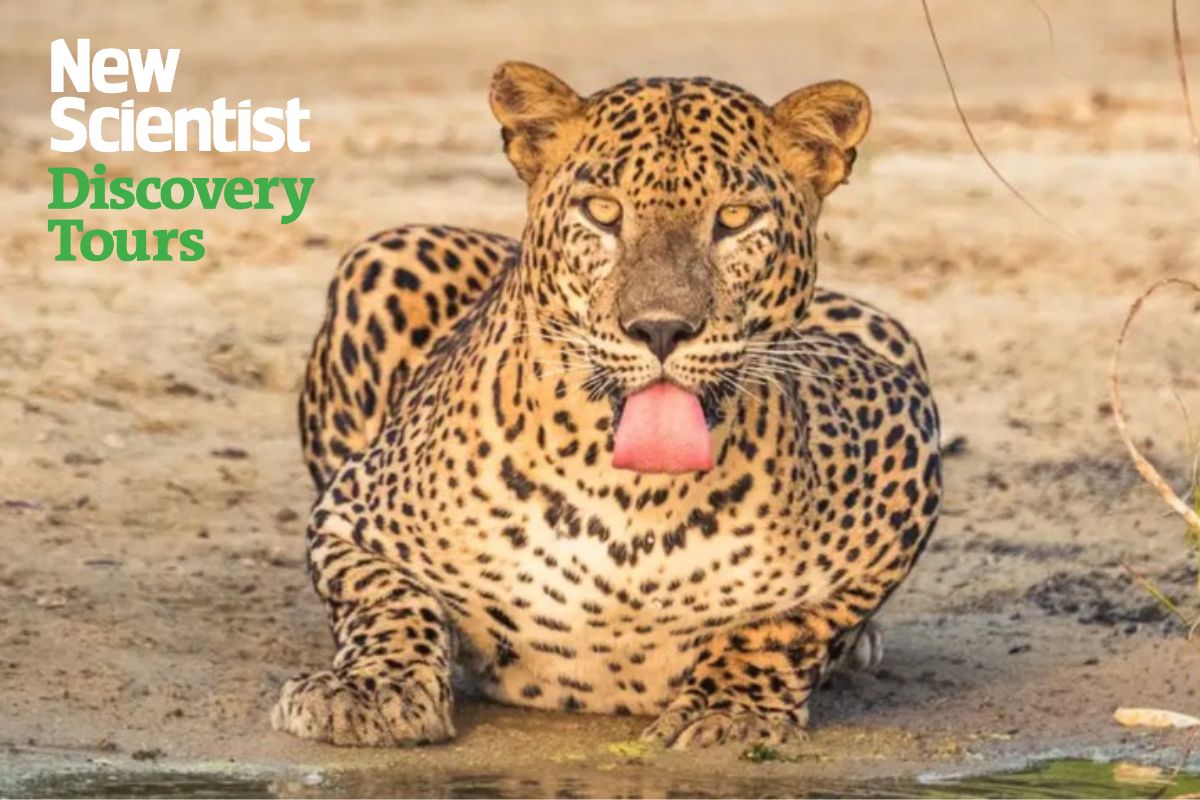
| Wildlife and conservation of Sri Lanka
18 March 2024 | 12 days |
Embark on an extraordinary expedition in search of leopards, elephants, sloth bears and pangolins as you journey through Sri Lanka's stunning landscapes. |
|
|
Can you use science to help us answer our readers' questions? The best answers will be published in our Last Word section. This week we ask:
Given the number of cars on the roads now, what are the chances of my remote key fob unlocking another car (and vice versa)? Thanks for reading! |
|
|
This email has been sent to subscriber@example.com.
Unsubscribe from the Daily newsletter |
Do not reply directly to this email. If you have an enquiry, please contact us using the relevant contact details listed here. |
Copyright © New Scientist Ltd
Registered Office: Northcliffe House, 2 Derry Street, London, W8 5TT
Registered in England. No.10644366
Australian mailing address: PO Box 2315, Strawberry Hills, NSW 2012, Australia
Registered in Australia. ABN 22 621 413 170
Privacy Policy | Terms & Conditions |
|
|
|
|
|
|