Nanoparticles release antibiotics deep in the lungs to reduce symptoms of chronic obstructive pulmonary disease. Plus: why physicists are rethinking the route to a theory of everything. |
|
|
Like what you see? Subscribe today to gain unlimited access to all our subscriber only content. |
|
|
SEBASTIAN KAULITZKI/SCIENCE PHOTO LIBRARY |
|
|
Delivering medication to the lungs with inhalable nanoparticles may help treat chronic obstructive pulmonary disease (COPD). COPD causes the lungs’ airways to become progressively narrower and more rigid, obstructing airflow and preventing the clearance of mucus. As a result, mucus accumulates in the lungs, trapping medications, making it challenging to treat infections. Now researchers have developed inhalable nanoparticles capable of penetrating mucus to deliver medicine deep within the lungs. In mice with signs of the condition, the treatment improved lung function and reduced inflammation. Read more.
|
|
|
The Panama Canal is one of the world’s most important shipping routes, providing the fastest way to sail between the Pacific and Atlantic oceans. But for the third time in less than a decade, a shift to El Niño conditions has led to a severe drought in the area. This, plus a recent surge in demand for passage through the canal, has created a water crisis. There is now limited water available to fill the massive locks that raise ships 26 metres above sea level so they can cross the continental divide. Can the canal survive climate change? Read more.
|
|
|
New Scientist subscriptions |
|
|
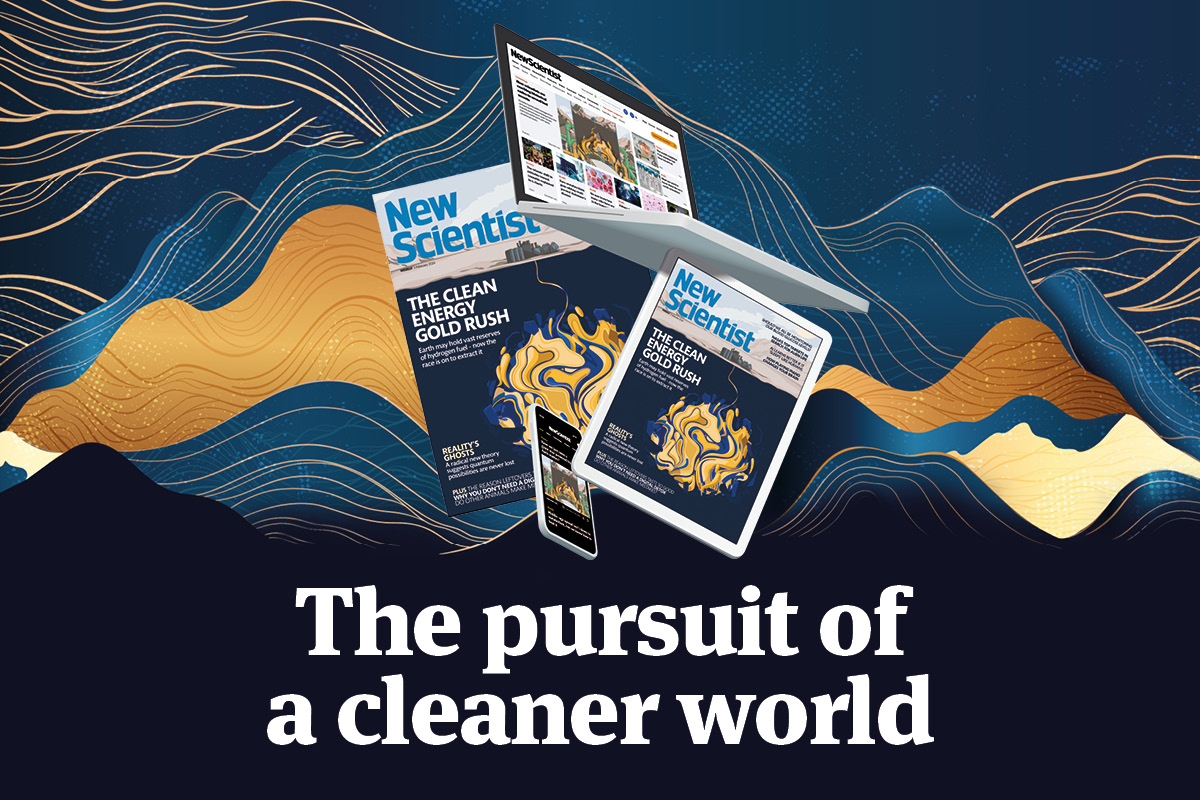
| Get access to our expert coverage of the latest breakthroughs in science, including the search for a clean wonder-fuel that could speed our path to net zero. |
|
|
Long read: A new kind of theory of everything |
|
|
Finding a theory of everything - a single framework that explains all of reality - is the loftiest goal in physics. But it is also notoriously tough. Some feel that string theory, long seen as our best hope, hasn’t made much progress in years. Now increasing numbers of physicists are trying a new tack. They reason that, if a final theory must explain the fundamentals, including space and time, then they must start even more basic than that. That is why a new breed of theories of everything are springing up, all based on a wild landscape of abstract geometry. Read more.
|
|
|
| Saturday 9 March | 10am - 5pm | London |
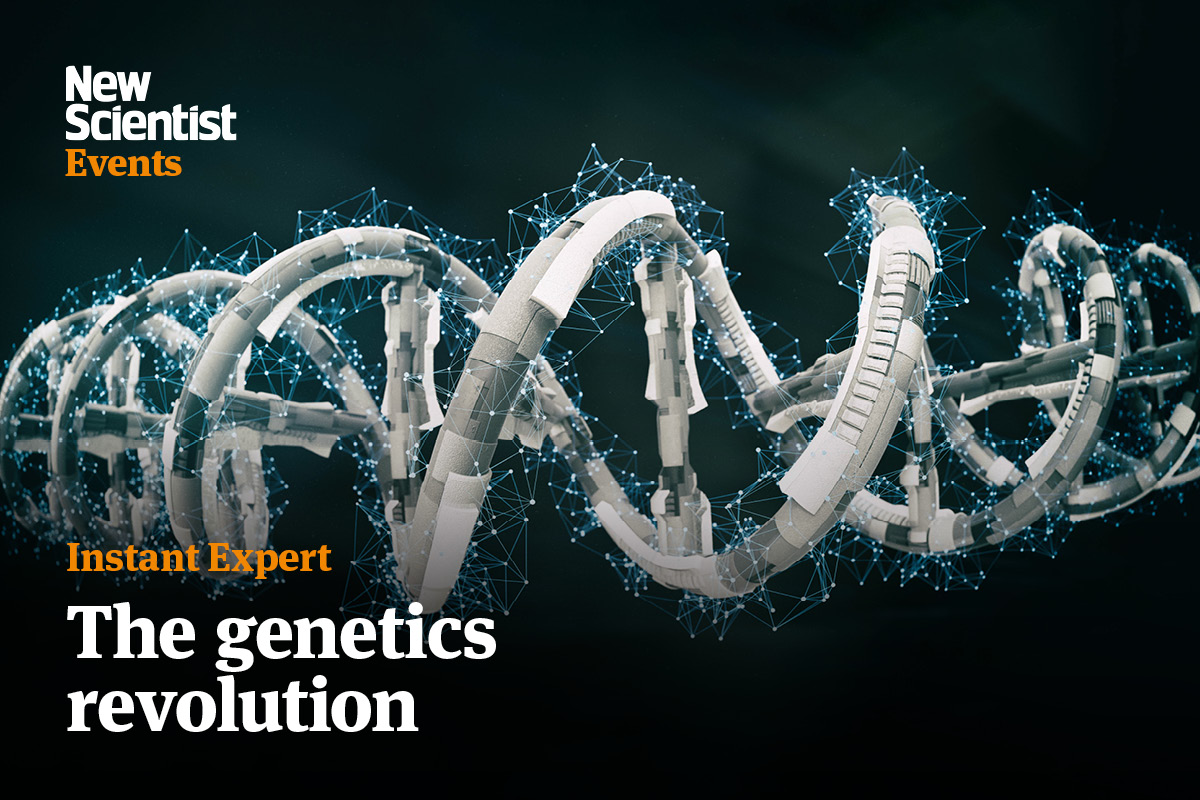
Join six leading experts who will guide you through the rapidly evolving field of genetics. Book now to get the early bird discount. |
|
|
“Women and men in the minefields find all sorts of interesting stuff that never gets recorded.” |
|
|
Thanks for reading and have a great Thursday. |
|
|
This email has been sent to subscriber@example.com.
Unsubscribe from the Daily newsletter |
Do not reply directly to this email. If you have an enquiry, please contact us using the relevant contact details listed here. |
Copyright © New Scientist Ltd
Registered Office: Northcliffe House, 2 Derry Street, London, W8 5TT
Registered in England. No.10644366
Australian mailing address: PO Box 2315, Strawberry Hills, NSW 2012, Australia
Registered in Australia. ABN 22 621 413 170
Privacy Policy | Terms & Conditions |
|
|
|
|
|
|