New Scientist's most popular story of the year was about the discovery that sperm break Isaac Newton's third law of motion. Read more |
Most people with cancer are aged over 50, but the past few decades have seen a rise in diagnoses among younger people. This year, the US National Cancer Institute and Cancer Research UK made finding out why one of their top priorities. Read more |
| |
|
Like what you see? Subscribe today to gain unlimited access to all our subscriber only content. |
|
|
This year’s top news stories |
|
|
After decades of searching, mathematicians discovered a single shape that can cover a surface without forming repeating patterns, launching a small industry of "aperiodic monotile" merchandise. Read more |
|
|
The promise of a material that could revolutionise the way we use electricity captured people’s imaginations on social media, which also helped researchers quickly determine that LK-99 wasn't what it seemed. Read more |
|
|
The success of treatments containing the drug semaglutide in helping people lose weight saw demand rocket in 2023, with manufacturers struggling to keep up. Read more |
|
|
Sponsored by: ITN Business |
|
|
|
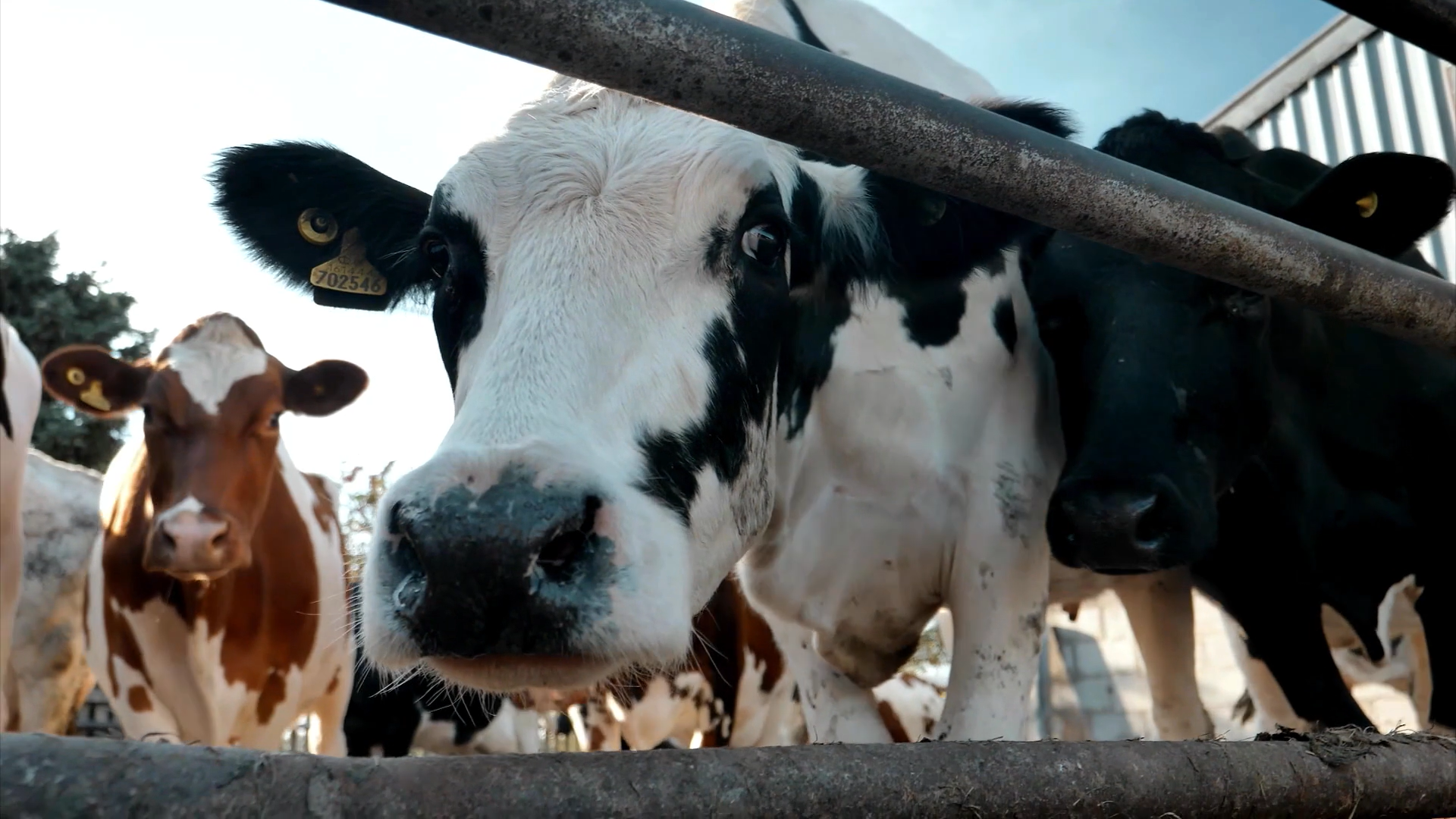
ITN Business launches news-style programme ‘Farming a Greener Future’ which explores the role of livestock in providing food security and how it can be produced in a sustainable way. |
|
|
| The weed of the future In the final episode of this three-part special series on the science of cannabis, Christie Taylor discovers what the future may hold for hemp.
Plus: Our weekly round-up show now drops every Friday.
Subscribe on Apple, Spotify or other podcast apps.
|
|
|
More of 2023's biggest stories |
|
| MARK GARLICK/SCIENCE PHOTO LIBRARY |
|
|
Greenhouse gas levels and the arrival of the El Niño weather pattern pushed the world’s climate into “uncharted territory” in 2023. Read more |
|
|
On 5 May, the World Health Organization declared that the coronavirus was no longer classified as a "public health emergency of international concern", its highest alert level, but the virus is still evolving. Read more |
|
|
The past year gave us thrilling missions to Jupiter and the moon, stunning images that captured the universe like it’s never been seen before and a few tantalising cosmic mysteries. Read more |
|
|
From ChatGPT to Gemini, this year was dominated by large language models and other AIs becoming everyday tools used by millions of people. Read more |
|
|
This week's free premium article |
As a registered user you have free access to this subscriber-only article. Simply log in to your account to start reading. |
|
|
Jupiter’s moon Io is so volcanically active that any impact craters are rapidly covered up, but an amateur astronomer may have finally spotted the first one ever seen there. Read more |
|
|
New Scientist subscriptions |
|
|
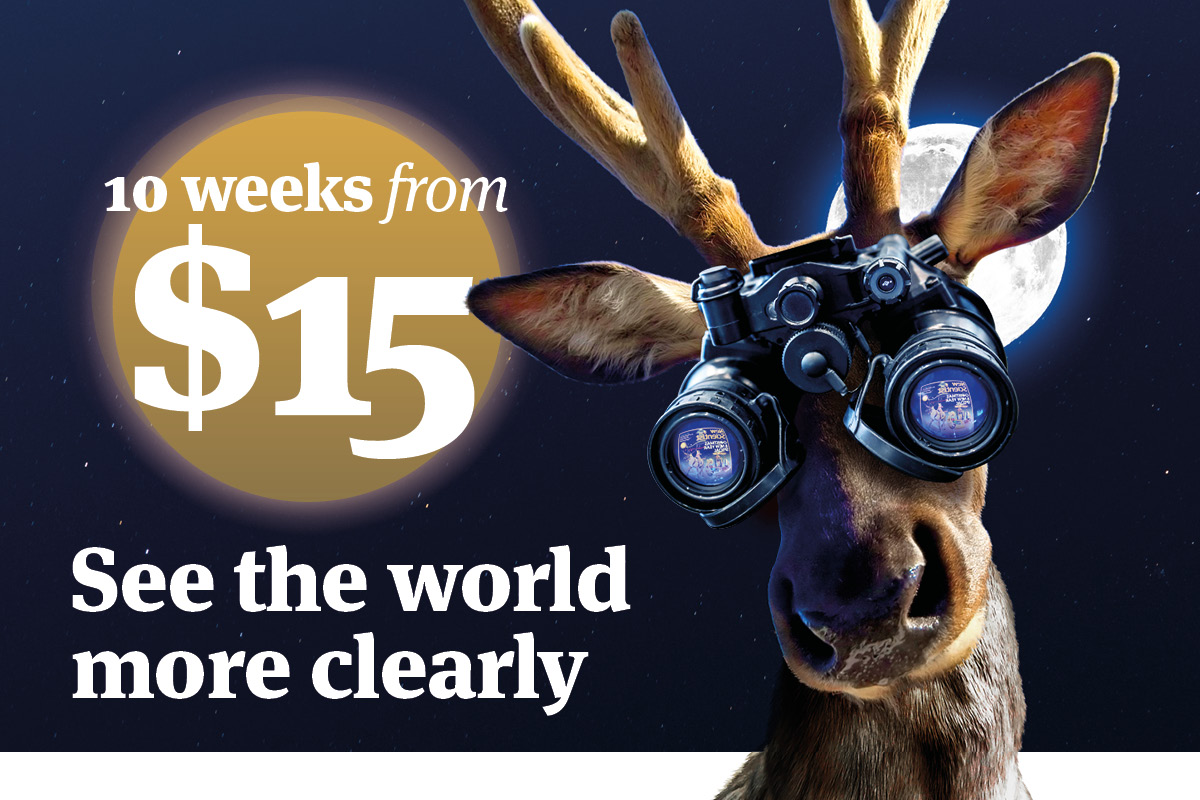
| To make their nighttime journeys, reindeer have evolved the ability to shift their eye colour as the seasons change to see better in the dark. Read about this and other wonders of the natural world with a New Scientist subscription. |
|
|
This email has been sent to subscriber@example.com.
Unsubscribe from the Weekly newsletter |
Do not reply directly to this email. If you have an enquiry, please contact us using the relevant contact details listed here. |
Copyright © New Scientist Ltd
Registered Office: 9 Derry Street, London, W8 5HY
Registered in England. No.10644366
Australian mailing address: PO Box 2315, Strawberry Hills, NSW 2012, Australia
Registered in Australia. ABN 22 621 413 170
Privacy Policy | Terms & Conditions |
|
|
|
|
|
|