Google and XPRIZE want to find practical uses for existing quantum computers. Plus: organoids made from uterus fluid may help treat fetuses. |
|
|
Like what you see? Subscribe today to gain unlimited access to all our subscriber only content. |
|
|
Eyes on the quantum prize |
Google and XPRIZE are launching a $5 million competition to find practical uses for quantum computers that could actually benefit society. We already know quantum computers can perform specific tasks faster than classical computers, after Google first claimed quantum advantage for its Sycamore processor in 2019. However, these demonstration tasks are simple benchmarks with no real-world applications. To that end, Google and the XPRIZE Foundation are urging researchers to come up with new quantum algorithms as part of a three-year competition. Read more
|
|
|
Organoids from uterus fluid |
Babies born with serious medical conditions could one day get better diagnoses and treatments while in the uterus, thanks to a new technique that involves taking samples of cells from fluid in the uterus and growing them in a dish. In a world first, researchers have shown that fetal cells from amniotic fluid can be coaxed into forming miniature balls of lung, kidney or small intestinal tissue. They also showed these lung organoids could potentially help guide the treatment of babies born with a sometimes-fatal lung condition called congenital diaphragmatic hernia. Read more
|
|
|
New Scientist subscriptions |
|
|
| Discover the most awe-inspiring ideas, including the secrets around the human brain. Join New Scientist, your brain will thank you. |
|
|
Long read: The age of asteroid exploration |
|
|
NASA's OSIRIS-REx mission sent a spacecraft to an asteroid and last year, samples of Bennu were returned to Earth. In an exclusive conversation with New Scientist, mission leader Dante Lauretta reveals why the asteroid could once have been an ocean world. Read more |
|
|
|
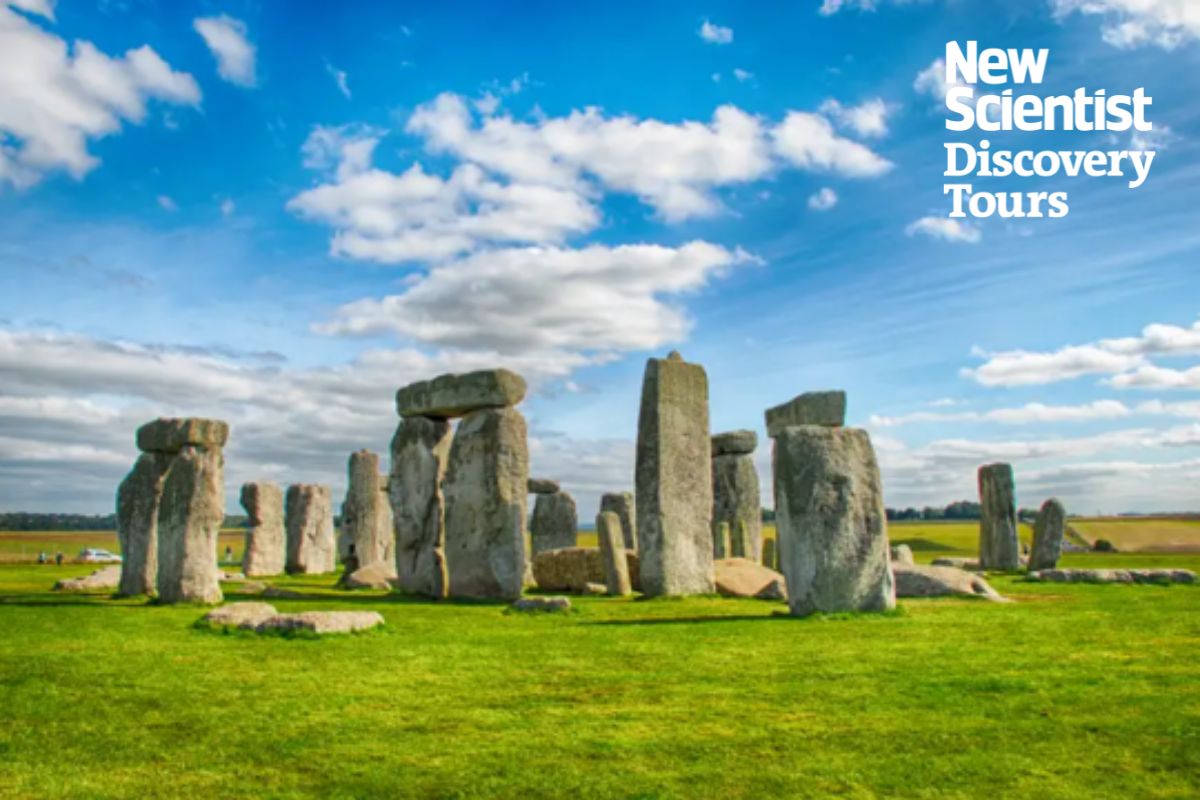
Human origins in prehistoric southwest England: 15 July 2024 | 5 days |
Immerse yourself in the early human periods of the Neolithic, Bronze and Iron Ages on this gentle walking tour through southwest England. |
|
|
"This is not our first tumblemageddon." |
Rachel Van Cleave, communications manager for the city South Jordan in Utah, on the tumbleweeds invading towns as severe weather sweeps the state, reported by The Washington Post. |
|
|
This email has been sent to subscriber@example.com.
Unsubscribe from the Daily newsletter |
Do not reply directly to this email. If you have an enquiry, please contact us using the relevant contact details listed here. |
Copyright © New Scientist Ltd
Registered Office: Northcliffe House, 2 Derry Street, London, W8 5TT
Registered in England. No.10644366
Australian mailing address: PO Box 2315, Strawberry Hills, NSW 2012, Australia
Registered in Australia. ABN 22 621 413 170
Privacy Policy | Terms & Conditions |
|
|
|
|
|
|