A US company is preparing to launch gene-edited pigs that are resistant to a major disease. Plus: how entropy and equilibrium can help explain consciousness. |
|
|
Like what you see? Subscribe today to gain unlimited access to all our subscriber only content. |
|
|
Pigs that are immune to a disease estimated to cost farmers $2.7 billion a year globally look set to become the first genetically modified farm animals to be used for large-scale meat production. “We could very well be the first,” says Clint Nesbitt of international breeding company Genus, which has created hundreds of the CRISPR-edited pigs in preparation for a commercial launch. He is confident that the animals, which have been modified to have immunity to porcine reproductive and respiratory syndrome (PRRS), will be given the go-ahead by US regulators by early 2025 or sooner. “I think by and large the farmers are quite excited to have it, because this is a fairly devastating disease,” says Nesbitt. Read more
|
The soil on Mars could be melted down, spun into fibres as strong as steel and used to make durable building materials for a potential Martian base. Instead of sending vast amounts of resources to the Red Planet to build a colony there, which would be exceptionally costly, researchers are exploring the idea of constructing materials using what would be available on site. “We wanted to see if we could use Mars soil to develop fibre materials,” says Peng-Cheng Ma at the Xinjiang Technical Institute of Physics and Chemistry in China. “Fibre has lots of functionality, for clothing or fibre-based material.” Read more
|
|
|
New Scientist subscriptions |
|
|
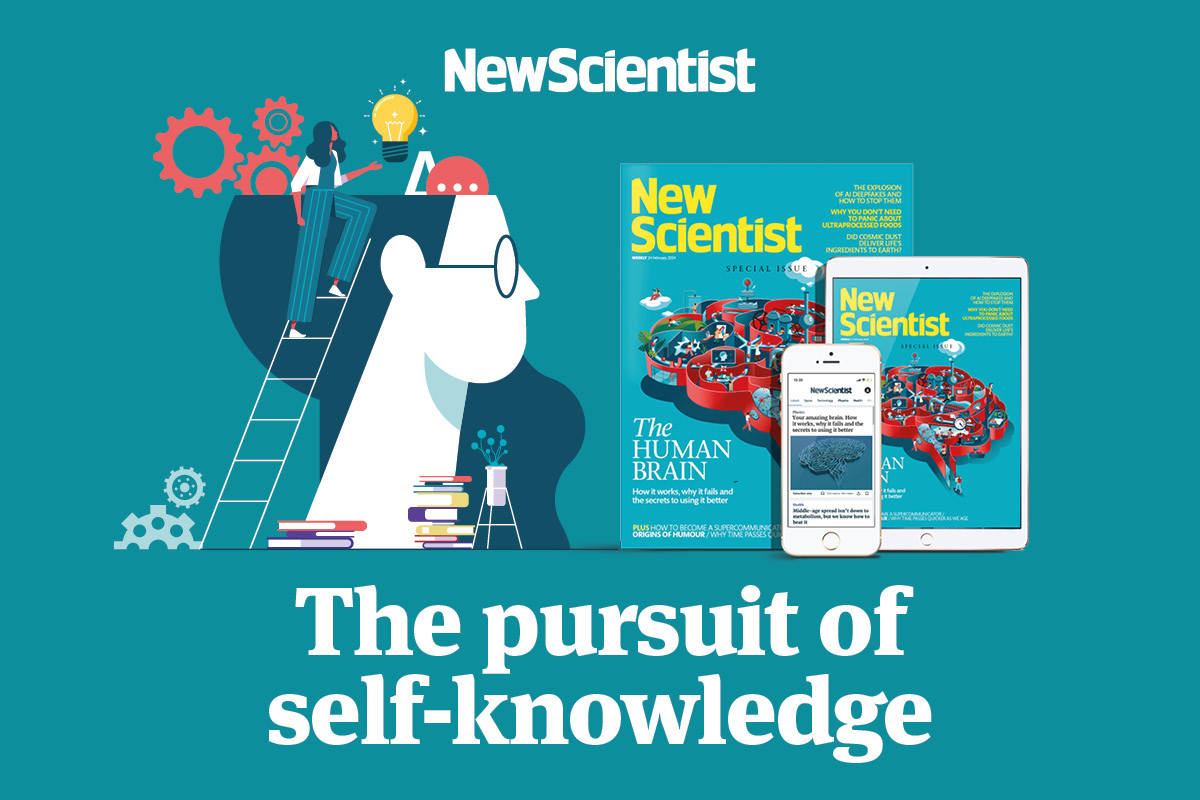
| Discover the most awe-inspiring ideas, including the secrets around the human brain. Join New Scientist, your brain will thank you. |
|
|
Long read: Are there different states of consciousness? |
|
|
One of the most intriguing puzzles about the human brain is whether consciousness is a single phenomenon with many continuous shades, akin to a dimmer switch, or a collection of discrete states - more like switching between channels on a TV. Physicists are turning to equilibrium and entropy to help resolve the question, shedding some intriguing light on this most elusive of concepts. Read more
|
|
|
|
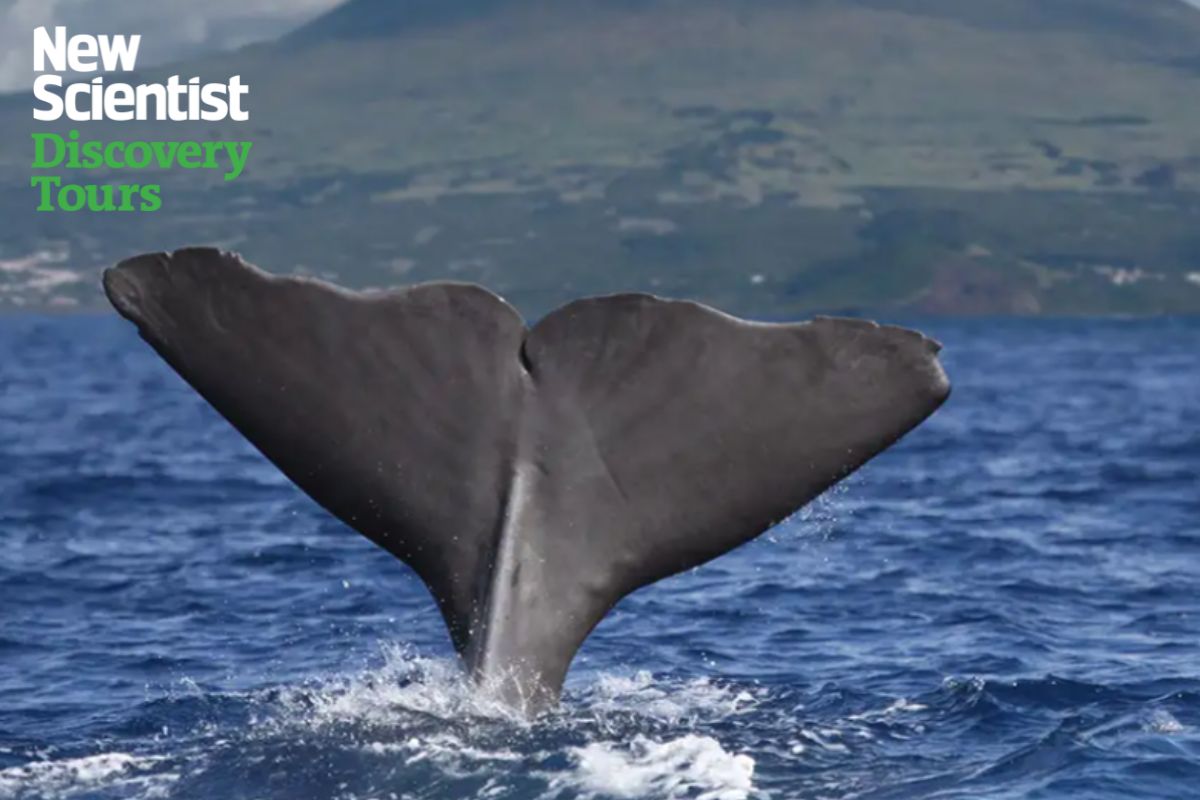
Whale watching and marine ecosystems in the Azores Islands: Portugal 7 May 2024 | 7 days |
Experience the hidden paradise of the richly biodiverse Azores islands, their lush flora and fauna, volcanic craters, lagoons and picturesque towns. This is a rare opportunity to actively take part in whale research and get an opportunity to watch the social interactions of whales as they descend into the water. |
|
|
Can you use science to help us answer our readers' questions? The best answers will be published in our Last Word section. This week we ask: Is there any prospect of using machine learning to converse with whales and dolphins? Thanks for reading! |
|
|
This email has been sent to subscriber@example.com.
Unsubscribe from the Daily newsletter |
Do not reply directly to this email. If you have an enquiry, please contact us using the relevant contact details listed here. |
Copyright © New Scientist Ltd
Registered Office: Northcliffe House, 2 Derry Street, London, W8 5TT
Registered in England. No.10644366
Australian mailing address: PO Box 2315, Strawberry Hills, NSW 2012, Australia
Registered in Australia. ABN 22 621 413 170
Privacy Policy | Terms & Conditions |
|
|
|
|
|
|