Astronomers have spotted the primordial beginnings of a huge galaxy cluster. Plus: why hearing live music hits different. |
|
|
Like what you see? Subscribe today to gain unlimited access to all our subscriber only content. |
|
|
One of the largest quasars in the early universe has helped reveal a “protocluster” of nascent galaxies that is expected to grow more massive than any cluster we know of. Protoclusters are the primordial beginnings of the galaxy clusters we see in our region of the universe. Feige Wang at the University of Arizona and his colleagues focused on a quasar, a luminous galactic core where gases emit light as they fall into a supermassive black hole. They chose one of the most massive and brightest quasars known in the early universe, hoping it would act as a signpost for other massive objects around it, and found a vast surrounding web of early galaxies. Read more
|
|
|
Listening to live music may be more touching than a recording of the same tune because it triggers greater activity in the part of the brain linked to processing emotions. Researchers at the University of Zurich in Switzerland monitored the brain activity of 27 people while they listened to 12 pieces of music - both played live and as recordings - that were intended to evoke different emotions. The live performances consistently led to increased brain activity in the left amygdala – the region of the brain that is strongly linked to assigning sensory stimuli, such as sounds, to certain emotions. Read more
|
|
|
New Scientist subscriptions |
|
|
| Discover the most awe-inspiring ideas, including the secrets around the human brain. Join New Scientist, your brain will thank you. |
|
|
Long read: The hunt for exomoons |
|
|
Exomoons, moons around planets that orbit other stars, offer an exciting prospect to search for alien life. As some of Jupiter and Saturn's moons show, they can have habitable conditions, such as liquid water, much further from their star than planets can. But finding exomoons has historically been an almost impossible task. Now, with new techniques, like spotting rogue planets that drift alone in the universe, and the capabilities of telescopes like JWST, exomoon hunters are within reach of a discovery. Read more
|
|
| |
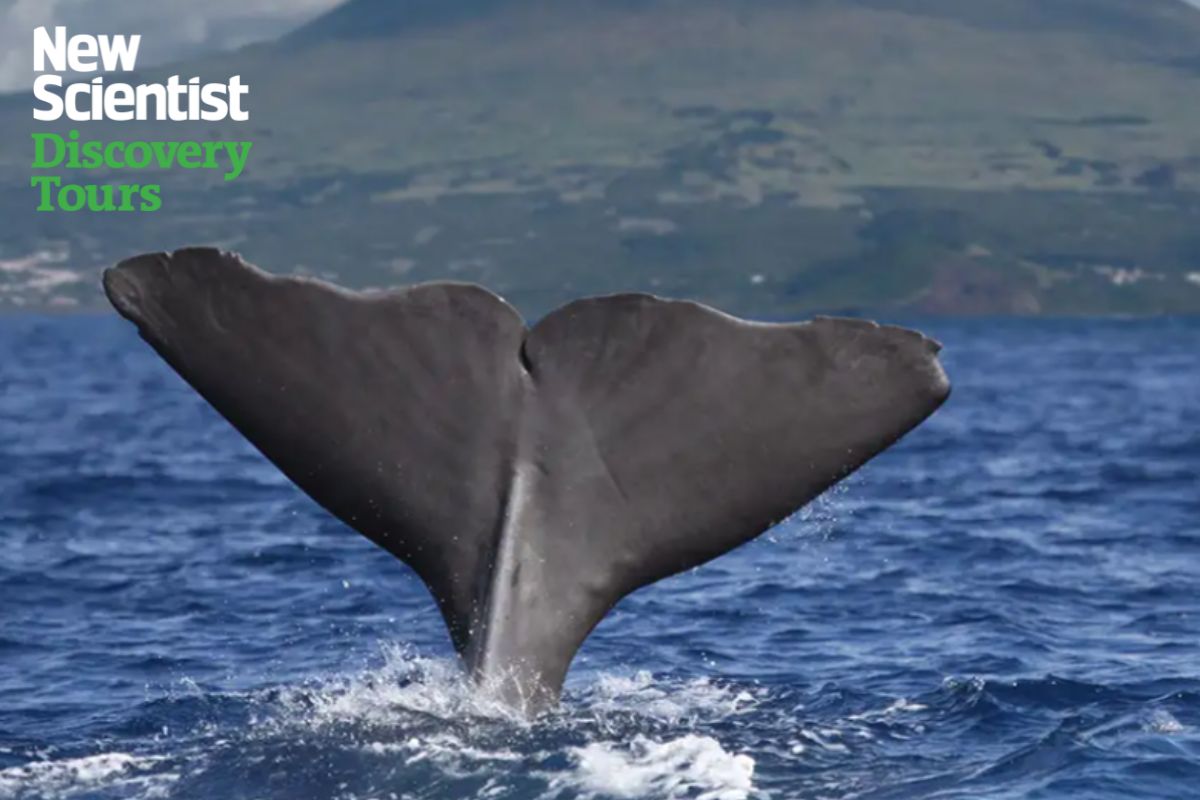
Whale watching and marine ecosystems in the Azores Islands: Portugal 7 May 2024 | 7 days |
Experience the hidden paradise of the richly biodiverse Azores islands, their lush flora and fauna, volcanic craters, lagoons and picturesque towns. This is a rare opportunity to actively take part in whale research and get an opportunity to watch the social interactions of whales as they descend into the water. |
|
|
"You’ll have a group of people who find them just weird and creepy." |
|
|
This email has been sent to subscriber@example.com.
Unsubscribe from the Daily newsletter |
Do not reply directly to this email. If you have an enquiry, please contact us using the relevant contact details listed here. |
Copyright © New Scientist Ltd
Registered Office: Northcliffe House, 2 Derry Street, London, W8 5TT
Registered in England. No.10644366
Australian mailing address: PO Box 2315, Strawberry Hills, NSW 2012, Australia
Registered in Australia. ABN 22 621 413 170
Privacy Policy | Terms & Conditions |
|
|
|
|
|
|