The warming avoided by planting CO2-absorbing forests could be 15 to 30 per cent lower than previously estimated. Plus: the experiment that edges us closer to understanding life’s origin. |
|
|
Like what you see? Subscribe today to gain unlimited access to all our subscriber only content. |
|
|
Can't see the forest for the trees
|
Planting forests will help limit further warming of the planet by soaking up some of the carbon dioxide we pump into the atmosphere. But the climate benefits on a global level could be around 15 to 30 per cent smaller than previous estimates because of other effects, such as trees absorbing sunlight. “We are not saying don’t plant trees,” says James Weber at the University of Sheffield in the UK. It’s just that the climate benefits are not as large as we thought, he says. “It’s more positive and more efficient if we also do other things as well.”
Read more |
|
|
One of the most important molecules in living organisms has been synthesised from scratch under everyday conditions. The finding suggests that the chemical could have formed naturally early in our planet’s history and played a role in the origins of life. The substance in question is called pantetheine. It isn’t a household name on the level of DNA or protein. However, pantetheine is the key component of a larger molecule called acetyl coenzyme A, a “cofactor” that helps enzymes to work. “Coenzyme A is in every organism ever sequenced,” says Matthew Powner at University College London.
Read more |
|
|
New Scientist subscriptions |
|
|
|
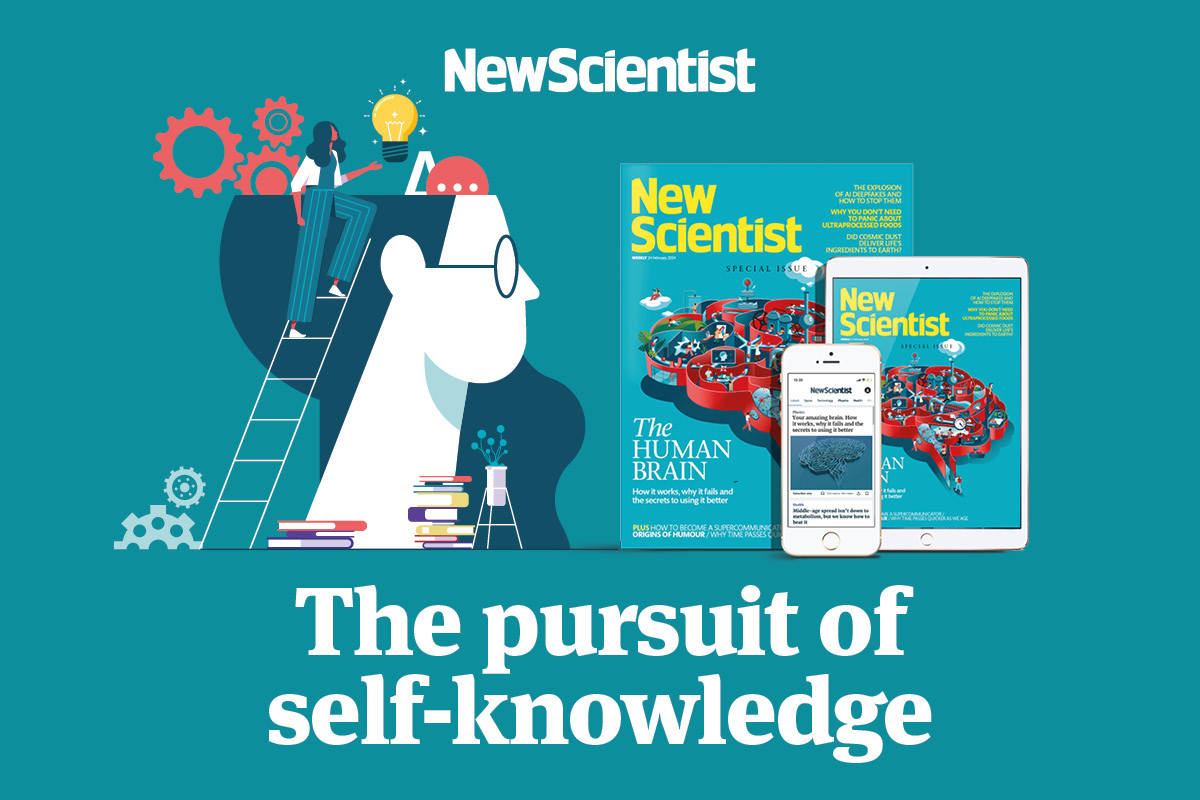
Discover the most awe-inspiring ideas, including the secrets around the human brain. Join New Scientist, your brain will thank you. |
|
|
Long read: How to unleash your creativity |
|
|
Neuroscientists are starting to get a better understanding of how the most creative brains are wired up. New research is converging on the idea that people who are the most creative have more random connectivity between distant brain regions, contributing to less conventional ways of processing information. Luckily, this work also hints at the best ways that the rest of us can increase our ability to general more original ideas. Read more |
|
|
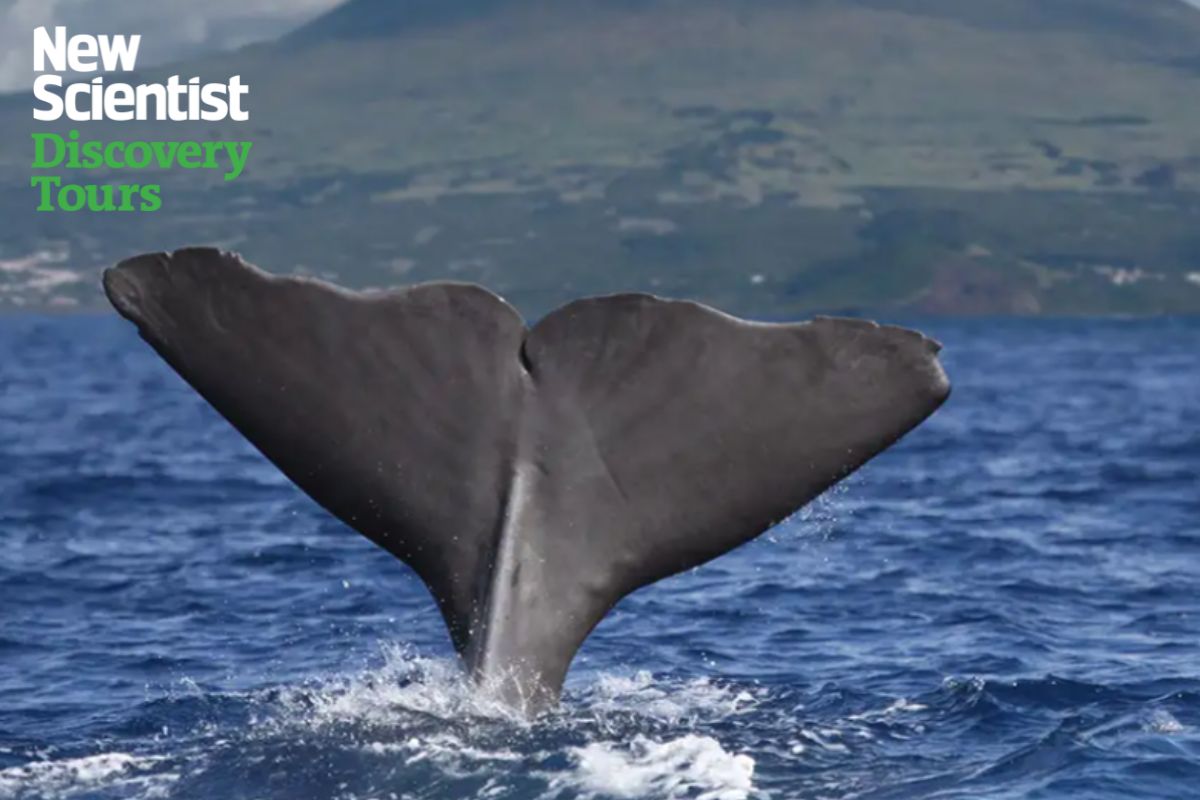
| Whale watching and marine ecosystems in the Azores Islands: Portugal 7 May 2024 | 7 days |
Experience the hidden paradise of the richly biodiverse Azores islands, their lush flora and fauna, volcanic craters, lagoons and picturesque towns. This is a rare opportunity to actively take part in whale research and get an opportunity to watch the social interactions of whales as they descend into the water. |
|
|
“When it comes to toxic online speech, it actually matters who is targeted.” |
|
|
This week on the podcast, the team discusses the advantage that may explain why ADHD evolved. Plus, hear about the specialised voice boxes of humpback whales, the robot dog that opens doors and the "useless" ovary appendage that may play a key role in fertility.
Available on Spotify, Apple and more.
|
|
|
This email has been sent to subscriber@example.com.
Unsubscribe from the Daily newsletter |
Do not reply directly to this email. If you have an enquiry, please contact us using the relevant contact details listed here. |
Copyright © New Scientist Ltd
Registered Office: Northcliffe House, 2 Derry Street, London, W8 5TT
Registered in England. No.10644366
Australian mailing address: PO Box 2315, Strawberry Hills, NSW 2012, Australia
Registered in Australia. ABN 22 621 413 170
Privacy Policy | Terms & Conditions |
|
|
|
|
|
|