People living along rivers in the Amazon basin have severe symptoms because of metal poisoning. Plus: why huge ape Gigantopithecus went extinct up to 295,000 years ago. |
|
|
Like what you see? Subscribe today to gain unlimited access to all our subscriber only content. |
|
|
The river Beni, which springs from the highlands of La Paz in Bolivia and snakes down into the Amazon basin, is the lifeblood of the Esse Ejja community. “We eat all kinds of fish, big or small, every day,” says local resident Apolinar Ocampo. “We don’t have anything else to eat.” But the fish they catch are poisoning them. Mercury is key to alluvial gold mining, a practice that is booming in Bolivia. Miners dredge up sediment, then add liquid mercury so it forms a coating around the gold particles in the silt. Later, microbes transform the toxic metal into methylmercury, which ends up in the bodies of fish and other animals. It passes up the food chain, becoming 10 times more concentrated at every step. Read more.
|
|
|
The largest known primate went extinct between 295,000 and 215,000 years ago, probably driven by its inability to adapt its food preferences amid a changing climate. A relative of today’s orangutans, Gigantopithecus blacki, known as “Giganto”, was 3 metres tall and weighed up to 300 kilograms. Despite surviving for more than 2 million years, the species has been a bit of an enigma since its fossilised tooth was found in a traditional medicine shop in Hong Kong in 1935. The enormous tooth was initially purported to belong to a dragon, but palaeontologists quickly recognised it was, in fact, from a primate. Read more.
|
|
|
New Scientist subscriptions |
|
|
| The breathtaking advances in artificial intelligence and a growing urgency to find climate change solutions are set to dominate headlines in 2024. Stay ahead with New Scientist for just $1.50 a week and let us guide you through the coming year. |
|
|
Sponsored by: ITN Business |
|
|
| Space: Advancing the Future |
Space technologies play a vital role in the smooth running of our day. With the space sector booming, ITN Business take a look at the highlights from 2023 in news-style programme ‘Space: Advancing the Future’, presented by Maggie Aderin-Pocock. |
|
|
Long read: Mysterious manatees |
|
|
Imaginechina/Sipa US/Alamy |
|
|
Manatees, or sea cows, are strange, chubby creatures belonging to a group of mammals called Sirenia, named for the old belief that they were mermaids. Usually found in coastal waters, there are long-standing rumours of a unique population far inland in Upper Guinea, Africa. What’s more, these creatures may be so long separated from their nearest relatives that they have evolved into a new subspecies. To find out more, a scientific expedition traveled 4000 kilometres up the Niger river to interview locals, chase up recent sightings and collect river water samples to look for traces of manatee DNA. Read more.
|
|
|
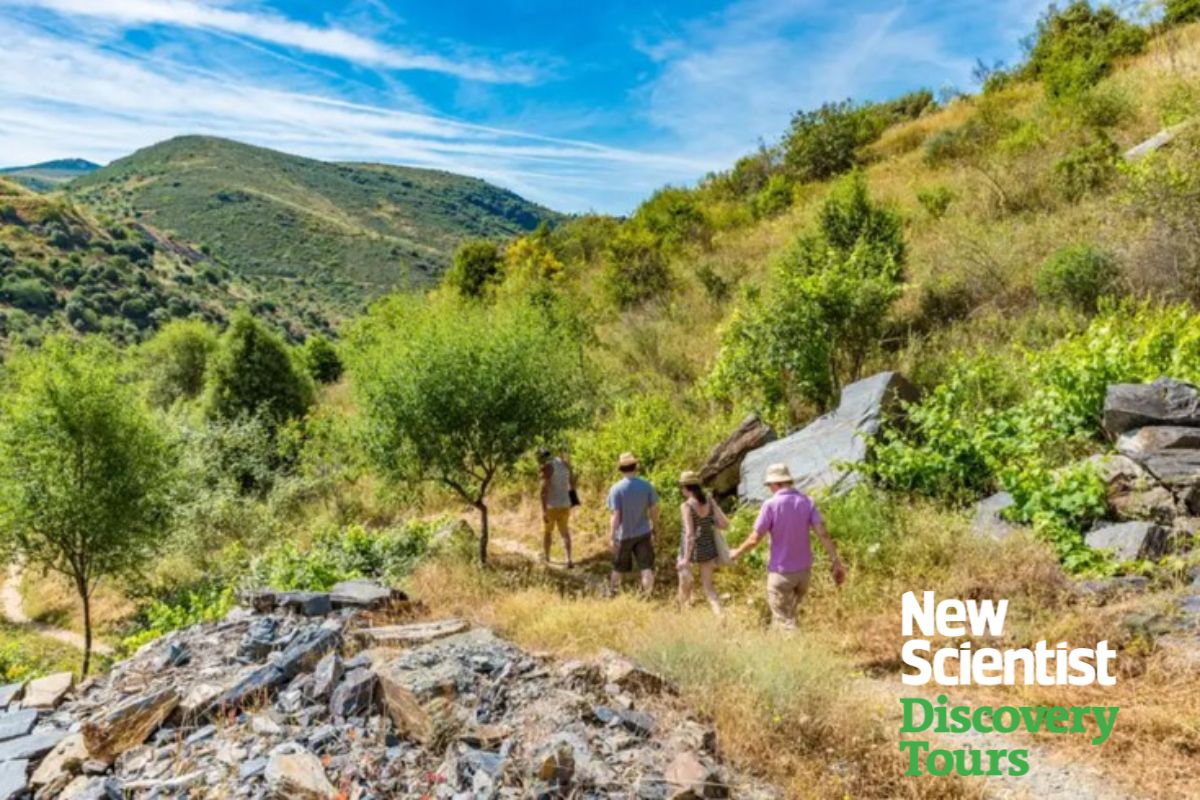
| Rewilding in the Côa valley: Portugal 29 April 2024 | 6 days |
Explore Portugal's Greater Côa valley, an area rich in biodiversity. Visit and learn about Rewilding Portugal's work which is aiming to create wilder, more biodiverse habitats that encourage nature to flourish. |
|
|
“What we’re doing is consuming that dead weight so you don’t have to carry it with you.” |
|
|
Thanks for reading and have a great Thursday. |
|
|
This email has been sent to subscriber@example.com.
Unsubscribe from the Daily newsletter |
Do not reply directly to this email. If you have an enquiry, please contact us using the relevant contact details listed here. |
Copyright © New Scientist Ltd
Registered Office: Northcliffe House, 2 Derry Street, London, W8 5TT
Registered in England. No.10644366
Australian mailing address: PO Box 2315, Strawberry Hills, NSW 2012, Australia
Registered in Australia. ABN 22 621 413 170
Privacy Policy | Terms & Conditions |
|
|
|
|
|
|