A sample from the asteroid Bennu, brought back by the OSIRIS-REx mission, contains hints of a watery origin.
New Scientist's The Daily Newsletter

Received this from a friend?
Sign up now to get every issue direct to your inbox each weekday


A sample from the asteroid Bennu, brought back by the OSIRIS-REx mission, contains hints of a watery origin. Plus: how a new understanding of the placebo effect could help us treat pain.


Like what you see? Subscribe today to gain unlimited access to all our subscriber only content.

Subscribe now

 
Image links to story

NASA/Erika Blumenfeld & Joseph Aebers


Asteroid insights

An asteroid sample brought back to Earth may have once been part of a small, ocean-covered world with conditions favourable for life to emerge. That’s according to the team behind NASA’s OSIRIS-REx mission, which brought back a sample of the asteroid Bennu in September 2023. “My working hypothesis is that this was an ancient ocean world,” says Dante Lauretta at the University of Arizona, the mission’s principal investigator. The sample also contains structures that could give clues about the origins of life, he adds. Read more

Period patterns

The menstrual cycle changes with age, but the menopause and the time leading up to it can particularly throw its patterns out of sync. Feeling that previous studies on the menstrual cycle were small and lacked a diversity of ages, Adam Cunningham at the period tracker app Flo in London and his colleagues analysed data that was self-reported by 19 million app users, aged between 18 and 55, from 2022 to 2023. Overall, the team found that cycles became shorter and more variable as the users aged. An exception was between the ages of 47 and 55, when the length increases sharply, with a corresponding increase in cycle variability. Read more


New Scientist subscriptions

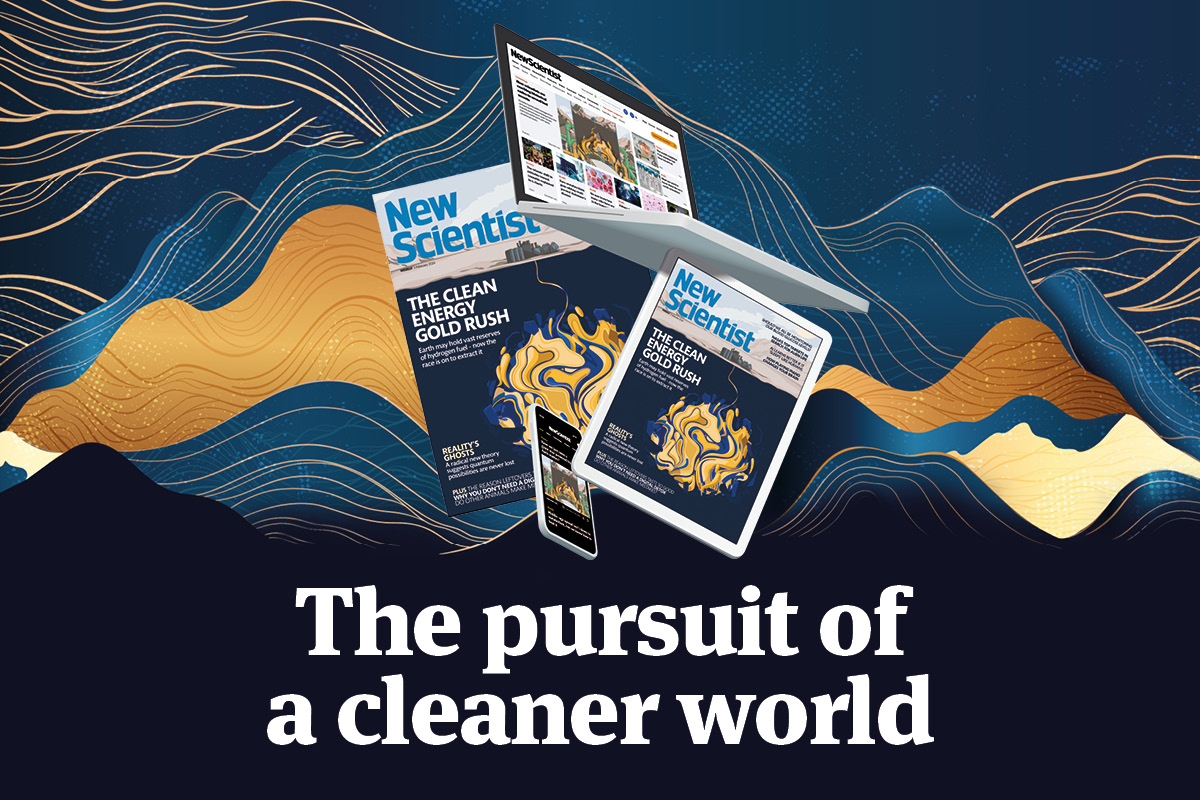
The pursuit of a cleaner world. Image links to offer.

Get access to our expert coverage of the latest breakthroughs in science, including the search for a clean wonder-fuel that could speed our path to net zero. 

Subscribe now
 

More headlines

  • Outlandish headgear: For decades we thought the Irish elk’s body size alone explained why it had enormous antlers, but the truth may be more complicated.


  • Extreme storms: A new type of thunderstorm, responsible for the most intense lightning ever observed, has been identified by analysing satellite observations.


  • Ancient philosophy: A Greek philosopher’s musings on pleasure, contained in papyrus scrolls buried by Mount Vesuvius’s eruption 2000 years ago, have been rediscovered with the help of AI.


Interview: Placebo power

Image links to story

KLAWE RZECZY; headshot: Matthew Paul D’Agostino

There is still much to learn about the placebo effect – when a person’s health improves after taking a dummy treatment like a sugar pill. It is thought that the expectation of a positive outcome is behind it, but questions remain about exactly how the mind affects the body in this way. Neuroscientist Luana Colloca is among those tackling such questions, alongside looking into how best to harness such effects to help soothe pain. She spoke to New Scientist about her work on pain relief, whether the placebo effect can help in treating mental health conditions and how it impacts the way we use wearable tech. Read more

 
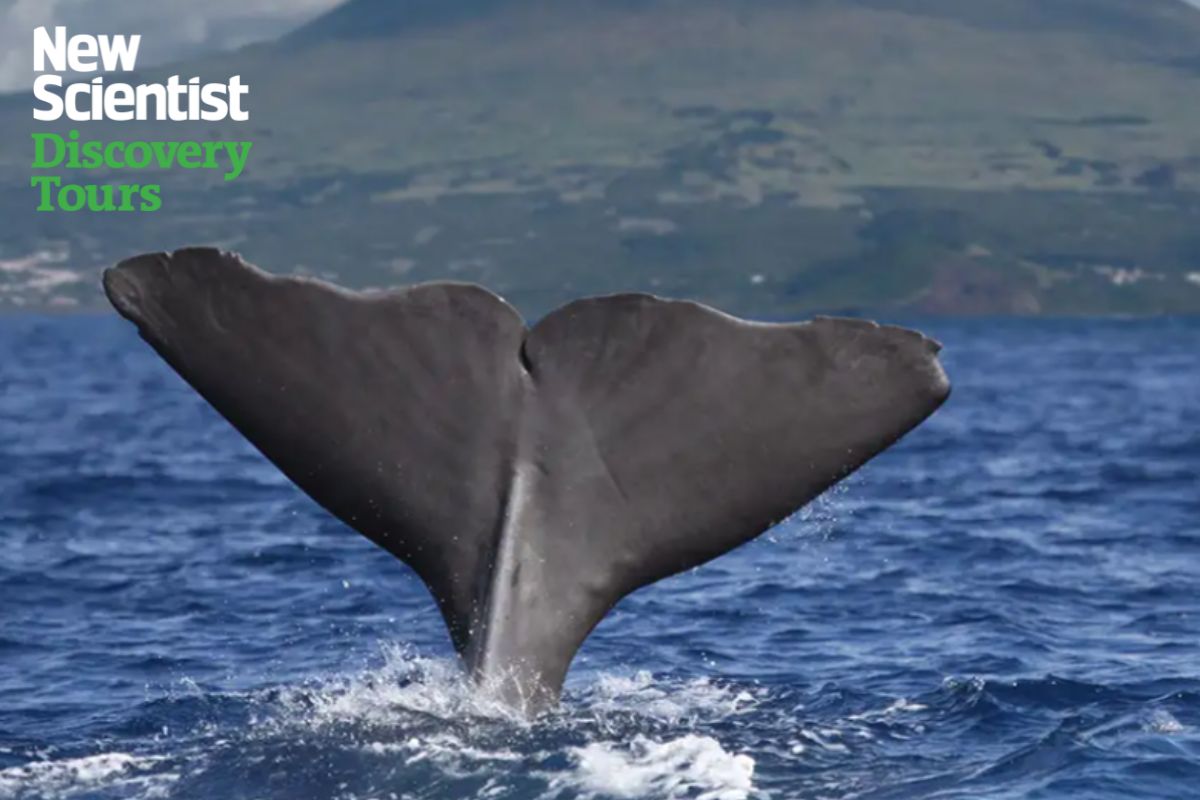
Whale watching in the Azores. Image links to tour.

Whale watching and marine ecosystems in the Azores Islands: Portugal

7 May 2024 | 7 days

Experience the hidden paradise of the richly biodiverse Azores islands, their lush flora and fauna, volcanic craters, lagoons and picturesque towns. This is a rare opportunity to actively take part in whale research and get an opportunity to watch the social interactions of whales as they descend into the water. 

Find out more
 

“We are in the process of generating an entirely new set of strains that has the potential to significantly diversify the current lager experience.”  

Francisco Cubillos at the Millennium Institute for Integrative Biology in Santiago, Chile, whose team has developed novel varieties of yeast for brewing beer.


That's all for today. Thanks for reading.

Sam Wong

Assistant news editor, New Scientist
Email me at newsletter@newscientist.com

Received this from a friend? Sign up here

For the latest science and technology news, in-depth articles and video, visit newscientist.com


Facebook TwitterInstagramLinkedIn TikTok

Update preferences  |  Help  |  Contact us

View in browser

This email has been sent to subscriber@example.com. 
 Unsubscribe from the Daily newsletter

Do not reply directly to this email. If you have an enquiry, please contact us using the relevant contact details listed here.

Copyright © New Scientist Ltd


Registered Office: Northcliffe House, 2 Derry Street, London, W8 5TT
Registered in England. No.10644366
Australian mailing address: PO Box 2315, Strawberry Hills, NSW 2012, Australia
Registered in Australia. ABN 22 621 413 170


Privacy Policy  |  Terms & Conditions