RUSSELL KIGHTLEY/SCIENCE PHOTO LIBRARY |
|
|
Like what you see? Subscribe today to gain unlimited access to all our subscriber only content. |
|
|
Hi readers,
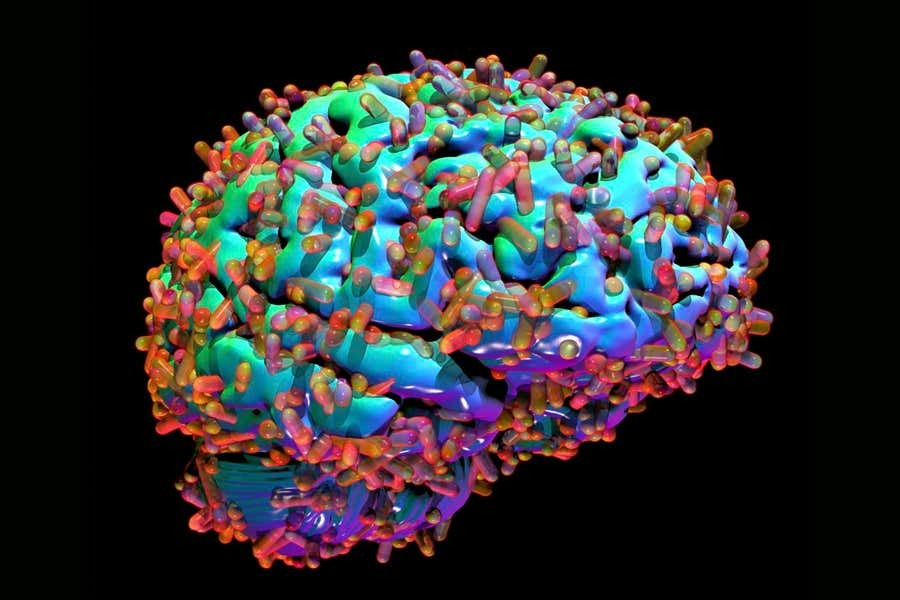
I have a confession to make: I take vitamin supplements. Why is this a confession? Well, because research has indicated for years that dietary supplements are a waste of money for most people.
Study after study shows they have minimal to no benefit for preventing conditions such as cancer or cardiovascular disease. In fact, vitamin E and beta carotene, a source of vitamin A, have been linked to an increased risk of cancer. Even turmeric supplements caused liver damage in a small subset of people.
Despite knowing this, I still take a few supplements. This is mostly because I am vegetarian and I worry about not consuming enough of the nutrients found in high amounts in meat, such as vitamin B12 and iron. To some degree I view supplements like a nutritional insurance policy, making up for any gaps in my diet. Plus, what is the harm, right? Vitamins are essential for our health after all. But new research has me rethinking this philosophy.
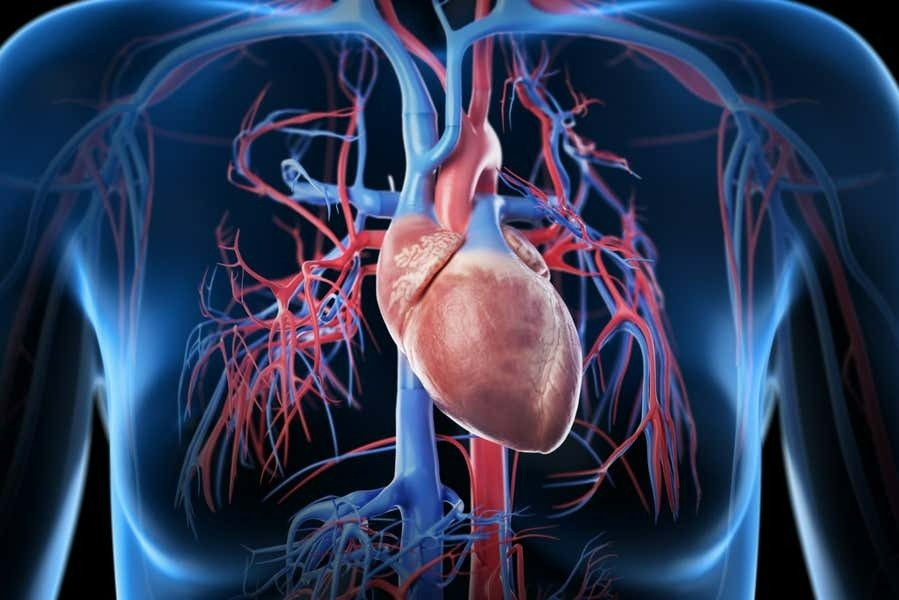
Stanley Hazen at the Cleveland Clinic in Ohio and his colleagues found that people with high blood levels of niacin, also known as vitamin B3, are more likely to have a heart attack or stroke than those with lower levels. This is potentially because the body converts excess niacin into a compound called 4PY, which, in rodents, can inflame blood vessels. And, as New Scientist previously reported, inflammation is a major contributor to heart disease.
In the study, people with elevated levels of 4PY were about 60 per cent more likely, on average, to have a heart attack or stroke than those with lower levels. You can read more about the study and its findings here. |
|
|
SEBASTIAN KAULITZKI/Science Photo Library/Getty Images |
|
|
This suggests that, when it comes to vitamins, you really can have too much of a good thing. It wasn’t until recently doctors stopped prescribing high doses of niacin to people who were particularly at-risk of cardiovascular disease. They initially prescribed the vitamin because studies found it could lower cholesterol, a contributor to heart disease. The intervention fell out of favour after further trials showed niacin had minimal effect on heart health and actually reduced the efficacy of statins, commonly prescribed cholesterol-lowering drugs. Researchers coined the conundrum “the niacin paradox”, which Hazen and his colleagues may have gone some way to solving.
But it may not be so cut and dry. For instance, I previously wrote about a study that found extremely high doses of another form of vitamin B3 can alleviate persistent pain in mice, suggesting it may help treat chronic discomfort in people too. Maybe the benefits and harms of vitamins vary according to their dose and the condition they’re treating.
It is obvious to me, now more than ever, how little we know about the effects of supplements, but that isn’t to say everybody should toss them out. Certain groups of people do need them, which you can read more about here. For instance, folic acid supplementation is recommended during pregnancy to reduce the likelihood of the fetus developing neurological defects. Some people are also deficient in some vitamins and minerals. A study found that almost 40 per cent of girls and young women in the US have low iron levels, for example, with supplements being a go-to treatment.
Given I am a young woman in the US, I may actually need my iron supplements. But instead of assuming so, I am going to talk with my doctor, who may want to order a blood test to check my levels. Moving forward, I want to be absolutely certain that any supplement I take is necessary for my health and not a fraudulent insurance policy. |
|
|
New Scientist subscriptions |
|
|
| Discover the most awe-inspiring ideas, including the secrets around the human brain. Join New Scientist, your brain will thank you. |
|
|
Rawpixel.com/Shutterstock |
|
|
Your brain is flexible and – contrary to popular belief – its performance does not decline steadily throughout your life. The time of day, the amount of sleep you’ve have had the night before and your stage in life can each affect how it functions. But the good news is, regardless of these factors, there are ways to make sure your brain is working at its best when you need it to. |
|
|
That’s all for this week. If you know someone who might enjoy this newsletter, please forward it to them. |
|
|
This email has been sent to subscriber@example.com.
Unsubscribe from the Health Check newsletter |
Do not reply directly to this email. If you have an enquiry, please contact us using the relevant contact details listed here. |
Copyright © New Scientist Ltd
Registered Office: Northcliffe House, 2 Derry Street, London, W8 5TT
Registered in England. No.10644366
Australian mailing address: PO Box 2315, Strawberry Hills, NSW 2012, Australia
Registered in Australia. ABN 22 621 413 170
Privacy Policy | Terms & Conditions |
|
|
|
|
|
|