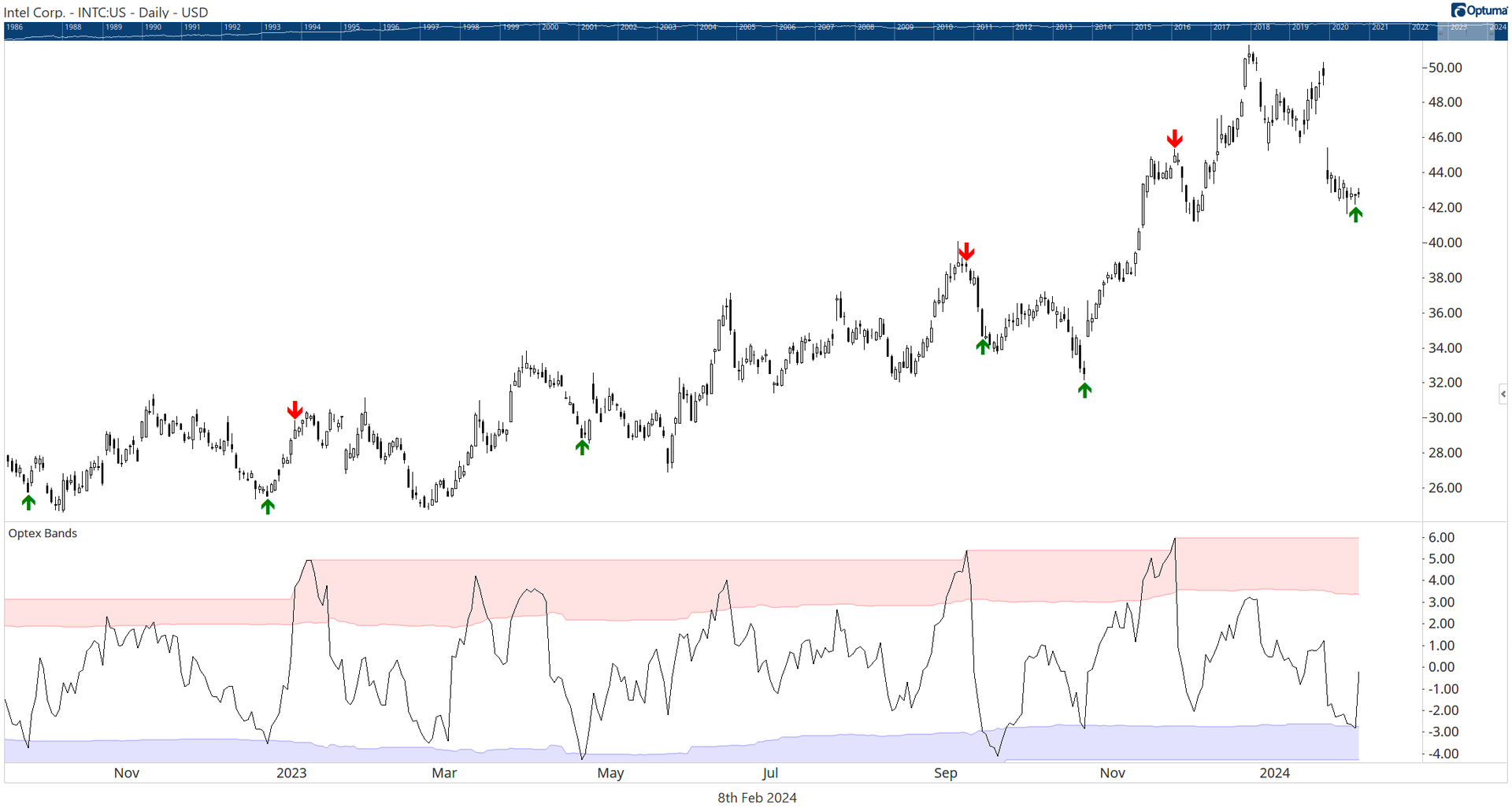
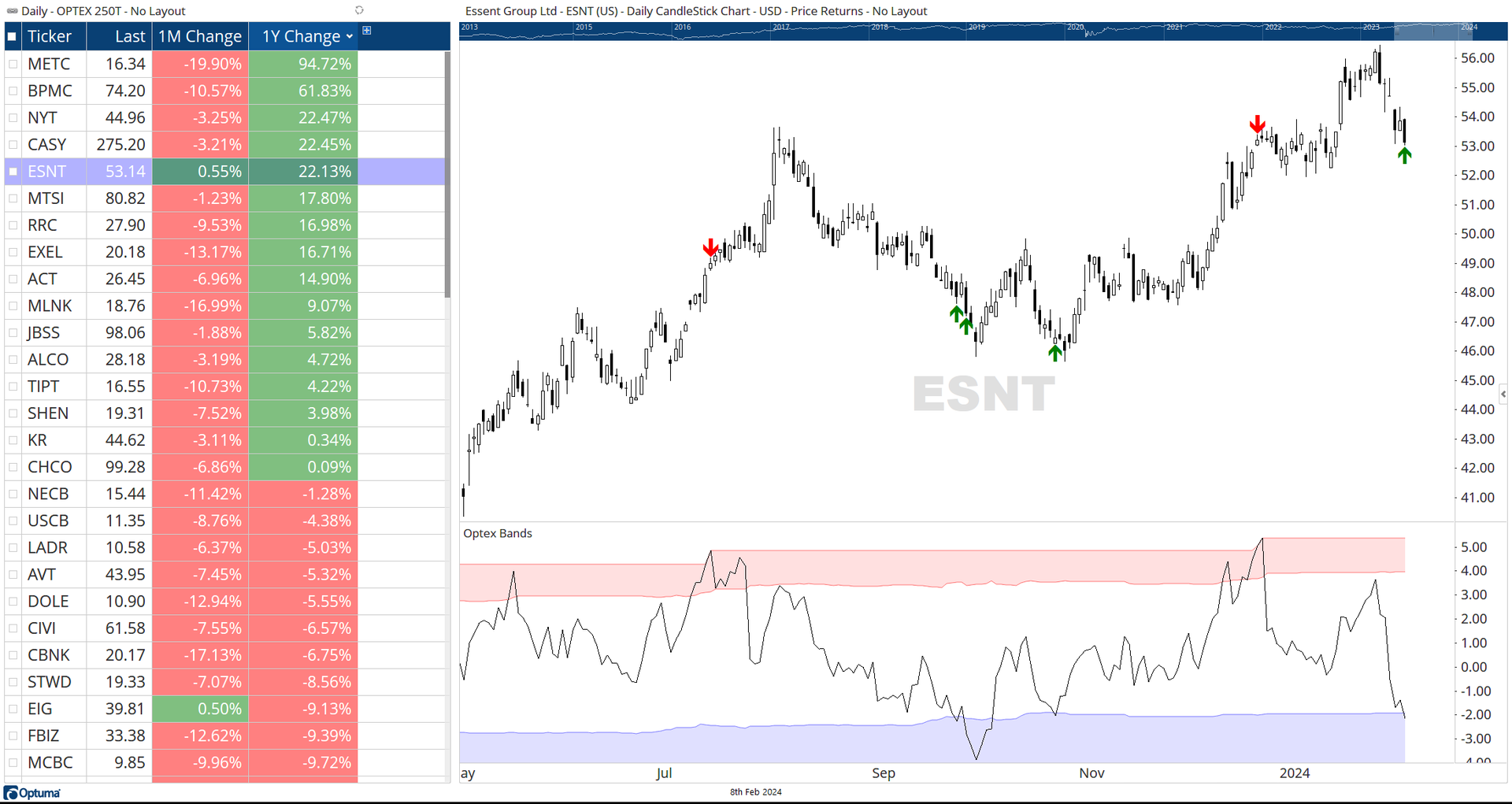
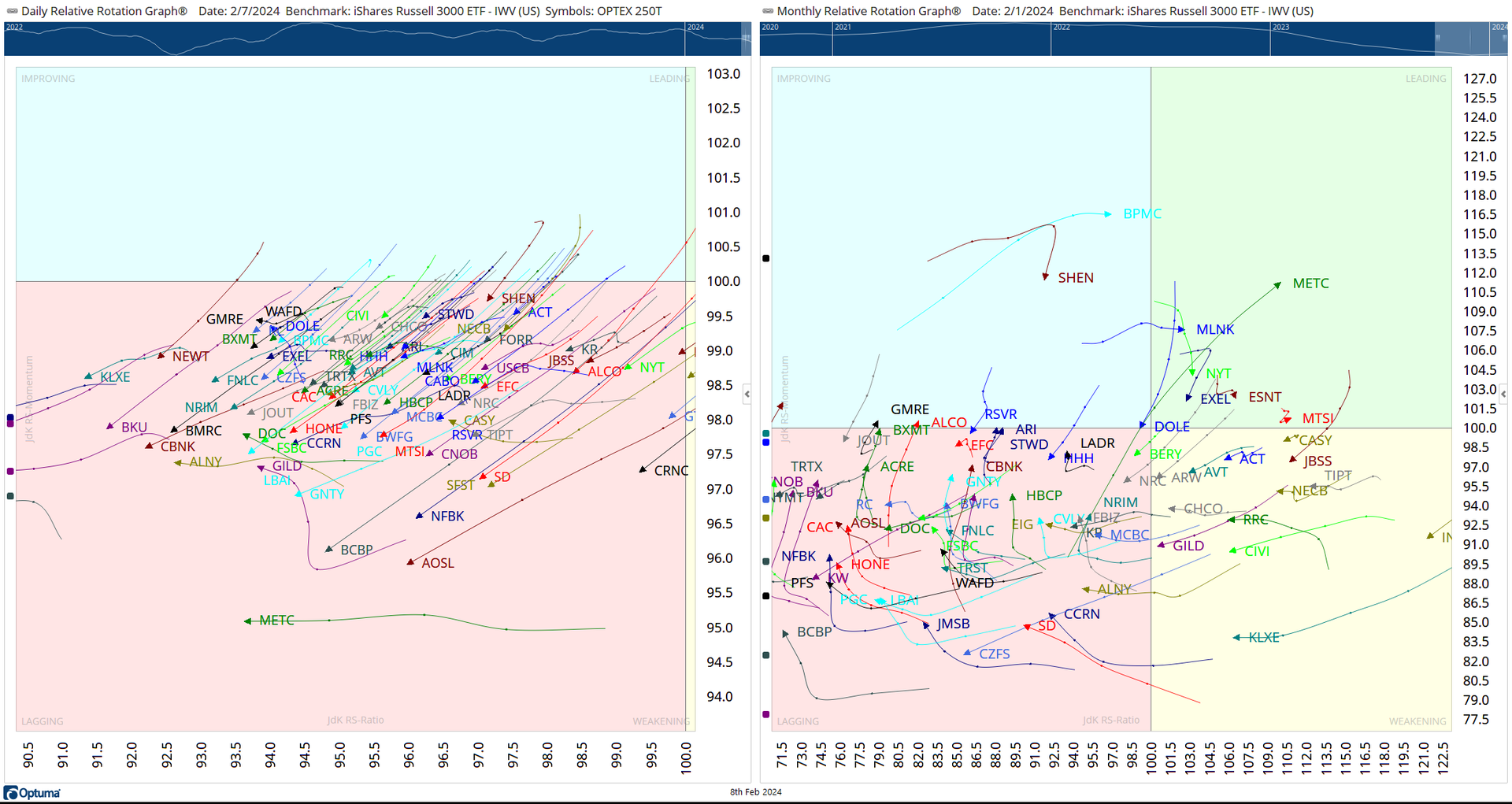
So far in this series, we’ve been looking at long term general market conditions with an overall bullish sentiment coming through. Today, I want to shift gears and review a mean-reversion technical indicator that we’ve created and look at some short-term signals.
Mean Reverting trading is not for the faint hearted. Some liken it to catching a falling knife — you may do it successfully many times but you can also get cut up really badly if you don’t know what you’re doing. They are short-term trading signals, not long-term allocations to a portfolio. Although if the decision has already been made to add a name to your portfolio, a mean-reverting signal is a great entry to ensure the position is profitable from the start.
One way to alleviate the risk is to make sure that we stick to the foundations of Technical Analysis. One of the of the most enduring and important foundations is Dow Theory and two rules that are relevant to mean-reversion trading are:
- Always trade in the direction of the Primary Trend
- Use Volume to confirm if a move against the Primary Trend is a temporary correction or a change in the Primary Trend.
The CMT program is a great way to get these core foundations locked in to all you do.
Rule 1 will tell us that we only take the Mean Reverting signal if we are confident that the Primary Trend is still valid.
Rule 2 tells us that we can look at volume to determine if there is growing support for a change in trend. If volume was growing into a mean-reversion signal, it could be confirming a change in trend and we’d need to be very careful. What we want to see is a general declining of volume into the signal.